Hospitality Furniture Manufacturers: China’s Contract Sector
Hospitality furniture manufacturers occupy a distinct niche within the broader furniture industry. Unlike residential or retail furniture production, hospitality contract manufacturing requires adherence to commercial durability standards, project-specific specification management, and delivery coordination that aligns with hotel construction schedules. Choosing the wrong manufacturer for a hospitality project does not just mean lower-quality furniture — it can mean missed opening dates and brand standard violations.
This guide breaks down what separates a genuine hospitality furniture manufacturer from a general furniture producer, how to evaluate suppliers for hotel and resort projects, and what buyers can expect from the Chinese contract furniture sector that currently serves the majority of international hospitality developments.
What Defines a Hospitality Furniture Manufacturer
The term is used loosely in the market, and that creates real risk for buyers. A manufacturer producing bedroom furniture for retail consumers is not necessarily qualified to produce hotel guestroom casegoods to brand standards. The differences go beyond the finished product.
True hospitality furniture manufacturers build their entire operation around the requirements of commercial projects. This means production facilities designed for batch manufacturing at scale — not piece-by-piece production. It means quality management systems that document defect rates, maintain inspection records, and have formal non-conformance resolution procedures. It means project managers who understand FF&E procurement cycles, can navigate brand standards, and know how to communicate across the language and time zone gap between a Foshan factory and a project team in Mexico City or Bogotá.
Critically, it means commercial-grade construction. Hotel furniture is subject to daily use by guests who are often less careful with property than they would be in their own homes. A nightstand that looks identical to a residential product may fail structurally within 18 months under hotel use conditions. Hospitality-specification furniture uses heavier gauge hardware, reinforced joinery, commercial-grade fabrics with higher rub counts, and surface finishes engineered for abrasion resistance — none of which are visible in a photograph or showroom display.
The Foshan Contract Furniture Cluster
Foshan, in Guangdong Province, is the world’s most significant hospitality furniture manufacturing cluster. The city and its surrounding districts — Shunde, Nanhai, Lecong — contain thousands of furniture manufacturers, ranging from small specialist workshops to large-scale export-focused contract operations employing hundreds of workers.
The scale of this cluster creates structural advantages that no other manufacturing region can replicate. Material suppliers, hardware manufacturers, fabric and leather wholesalers, and specialist finishing operations are all concentrated within the same ecosystem. A Foshan contract furniture manufacturer can source veneer, lacquer, brass hardware, commercial-grade fabric, and upholstery foam from suppliers within a 30-kilometre radius, enabling short iteration cycles on samples and consistent quality control across large orders.
Foshan factories currently supply FF&E for hotel brands operating in over 80 countries. The upper tier of manufacturers in this cluster meet or exceed the quality standards required by Marriott, IHG, Hilton, and comparable international hotel brands — not as an aspiration, but as a documented, verifiable operational reality.
Categories of Hospitality Furniture: What Manufacturers Specialise In
Hospitality projects require furniture across multiple categories, and manufacturers in Foshan generally specialise in one or two primary product types rather than producing everything with equal quality.
Guestroom Casegoods
Casegoods — bed frames, nightstands, desks, wardrobes, dressers, and luggage benches — represent the highest volume and highest value category in most hotel FF&E packages. Casegood manufacturers focus on precise dimensional accuracy, consistent finish replication across large batches, and structural engineering that meets commercial loading requirements. Top Foshan casegood manufacturers produce for 5-star hotel brands and can work to tight dimensional tolerances specified by international interior design firms.
Upholstered Seating
Upholstered seating — lounge chairs, sofas, banquette seating, dining chairs, accent chairs — is a distinct manufacturing discipline from casegoods. Seating manufacturers specialise in frame construction (kiln-dried hardwood or metal), spring and cushion engineering, fabric and leather selection, and the complex pattern-matching required for high-specification upholstery. Buyers sourcing both casegoods and seating for a single project often work with two separate manufacturers to get best-in-class quality in each category.
F&B and Public Space Furniture
Restaurant, bar, and lobby furniture for hospitality projects has specific requirements. Dining chairs in F&B venues need higher durability specifications than guestroom seating — they are moved, stacked, and used continuously across multiple seatings per day. Lobby furniture needs to project the property’s design identity while withstanding high traffic. Manufacturers specialising in F&B and public area furniture understand these requirements and build accordingly.
Custom and Decorative Pieces
High-end hospitality projects include custom decorative furniture — console tables, feature headboards, custom bar counters, bespoke reception desks — that require specialist craftsmanship beyond standard production runs. A small number of Foshan manufacturers focus on this high-complexity, low-volume work, and they are the appropriate choice when the design requires genuinely custom fabrication rather than specification-modified standard production.
Evaluating a Hospitality Furniture Manufacturer: A Practical Framework
When assessing a manufacturer for a hospitality project, the evaluation should go well beyond the showroom visit. A six-point framework helps structure the assessment:
- Hospitality project references: Ask for a list of completed projects with property names, brand affiliations, and room counts. Verify at least two references by contacting the project’s procurement manager or interior designer directly.
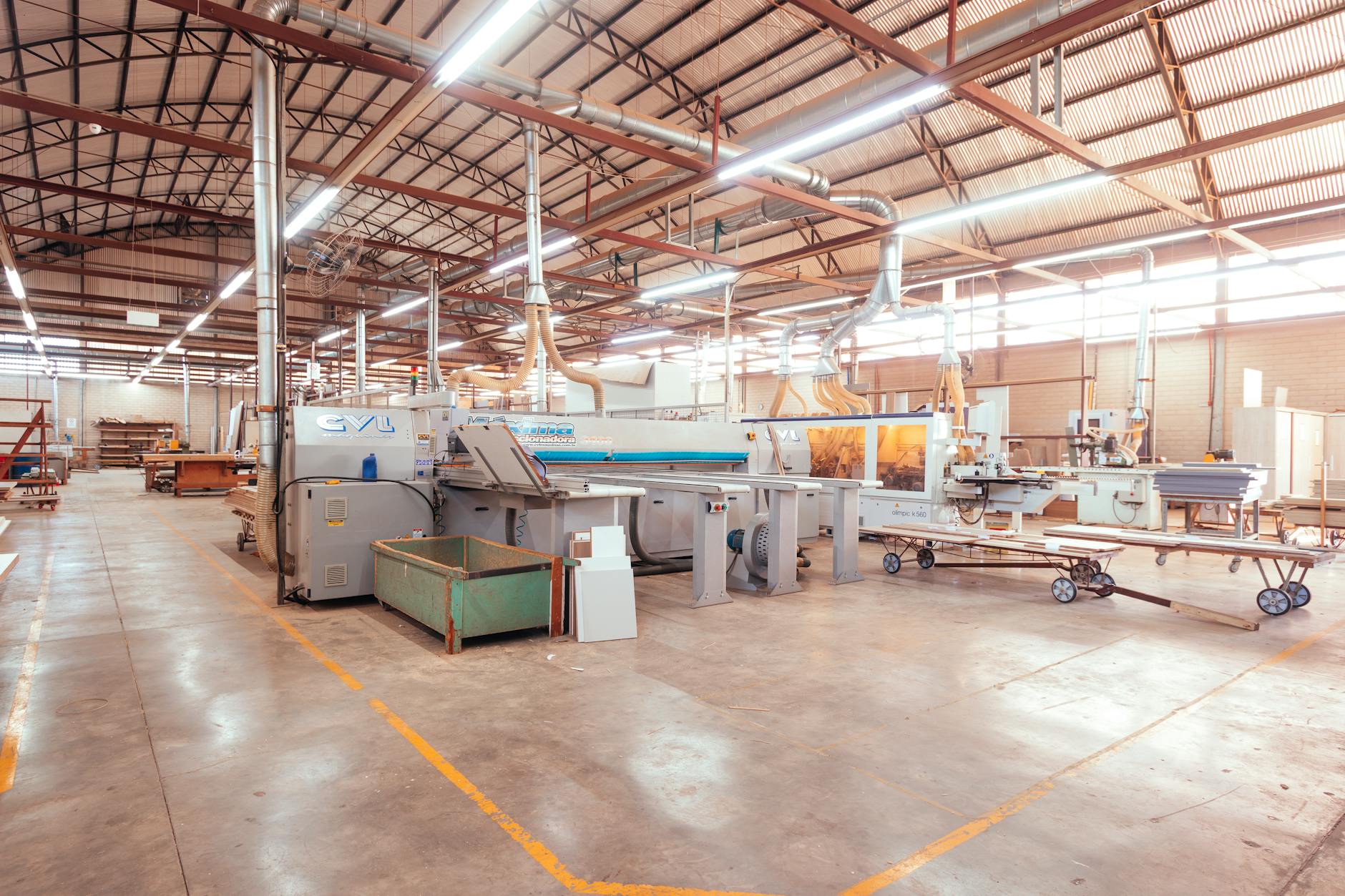
- Production facility inspection: Visit the production floor, not just the showroom. Look for organised material storage, clearly marked production stages, dedicated finishing areas with controlled humidity and temperature, and QC workstations at relevant production points.
- Commercial certification documentation: Request ISO 9001 certificate, BIFMA compliance test reports for structural components, and any brand-specific certifications relevant to your project (e.g., Marriott’s furniture specification compliance documentation).
- Sample production capability: Request that the manufacturer produce a finish sample panel for your project’s specified materials within two weeks. The speed and quality of this response is a reliable indicator of production capability and organisational efficiency.
- Project management team: Meet the person who will manage your account. Assess their English capability, their familiarity with international hotel brand standards, and their experience managing projects of similar size and complexity to yours.
- Financial stability: For orders above USD 500,000, request three years of financial statements or a bank guarantee. A manufacturer that cannot provide financial assurance may be taking on more work than their cashflow can support — a significant delivery risk for projects with tight opening timelines.
Lead Times and Project Scheduling
Lead time management is where hospitality furniture procurement most often creates project risk. Hotel development timelines are unforgiving — a 60-day furniture delivery delay can push opening by a month or more, with revenue implications that dwarf the furniture cost.
Typical lead times from a Foshan hospitality furniture manufacturer for a hotel project order:
- Sample production: 3 – 6 weeks from specification confirmation
- Sample approval and revision: 2 – 4 weeks (depending on client review speed)
- Bulk production (100 – 300 rooms): 8 – 12 weeks from approval
- Pre-shipment inspection: 1 – 2 weeks
- Sea freight to Latin America: 4 – 6 weeks depending on destination port
- Customs clearance and local delivery: 2 – 4 weeks
Total calendar time from project kick-off to furniture installed on-site: typically 24 to 36 weeks. Buyers who begin FF&E procurement less than six months before the target opening date are already behind schedule.
Price vs. Quality Trade-offs in the Hospitality Manufacturing Sector
The hospitality furniture manufacturing market in China operates across a wide quality and price range. Buyers need to understand what they are buying at each price point.
At the lower end of the market, manufacturers produce furniture that looks acceptable in photographs and in the showroom but underperforms on commercial durability metrics. Board materials may be lower-density particleboard rather than MDF; joinery may rely on staples and glue rather than properly fitted mortise-and-tenon or dowel construction; fabrics may carry rub counts below the 30,000 cycles typically specified for commercial seating. This furniture will begin showing wear within 18 months of hotel opening and may require replacement within four years — a total cost that often exceeds the premium charged by better manufacturers in the first place.
The top tier of Foshan hospitality manufacturers produces furniture that lasts the full 8 to 12-year renovation cycle common in hotel properties. The price premium over mid-market manufacturers is typically 30 to 50 percent on an ex-factory basis. When lifecycle cost is considered, the better-specified furniture is almost always the lower total cost option.
Working with Chinify to Source Hospitality Furniture
Chinify works exclusively with hotel developers, interior design firms, and real estate teams sourcing commercial furniture from China. Our team is based in Foshan and maintains direct relationships with vetted hospitality furniture manufacturers across the casegood, seating, and F&B furniture categories.
We manage the full sourcing cycle: factory qualification, specification review, sample coordination, production oversight, pre-shipment inspection, and logistics to your destination port. Our clients are typically working on hotel and resort projects from 50 to 500 rooms, with FF&E budgets of USD 500,000 to USD 8 million.
If you are planning a hotel project and want to understand what the right hospitality furniture manufacturers in China can deliver for your specification and budget, contact Chinify to discuss your project.
Hotel Furniture Manufacturers in China: Find the Right Factory
Finding the right hotel furniture manufacturer is one of the most consequential decisions in any hotel development project. The wrong choice leads to delayed openings, quality disputes, and budget overruns that can derail an entire project. The right choice delivers furniture that meets brand standards, arrives on schedule, and holds up through years of commercial use — at a price that makes the project viable.
This guide covers everything hotel developers, procurement managers, and interior designers need to know when evaluating hotel furniture manufacturers in China, with a focus on the Foshan manufacturing hub that supplies the majority of international hotel projects.
Why Most Hotel Furniture Is Manufactured in China
China accounts for approximately 37 percent of global furniture exports by value, and within the hotel and hospitality segment, that share is significantly higher. Virtually every major hotel brand — Marriott, Hilton, IHG, Wyndham, Hyatt — sources a substantial portion of their FF&E from Chinese manufacturers. This is not cost-cutting; it is supply chain reality.
The Foshan manufacturing cluster in Guangdong Province has developed over four decades into the most vertically integrated furniture production ecosystem in the world. Raw materials, hardware, fabrics, finishes, and specialist components are all available within a 50-kilometre radius. Lead times are competitive, production capacity is enormous, and the upper tier of factories consistently meets or exceeds the standards required by international hotel brands.
For hotel developers sourcing FF&E for properties in Latin America, Southeast Asia, the Middle East, or North Africa, China is not one option among several — it is the primary channel used by sophisticated procurement teams worldwide.
Types of Hotel Furniture Manufacturers in China
Not all manufacturers in China are the same. Understanding the landscape helps buyers avoid mismatches between project requirements and factory capabilities.
Contract Furniture Specialists
These factories focus exclusively on commercial and hospitality projects. They maintain dedicated hotel project divisions, have experience working with brand standards, and employ project managers who understand FF&E procurement cycles. They typically carry certifications relevant to commercial furniture (ISO 9001, BIFMA compliance documentation) and have track records with major hotel brands. For projects above 50 rooms, these are the manufacturers worth targeting.
Mixed Commercial and Retail Manufacturers
Many mid-size Foshan factories produce for both retail and commercial channels. Quality is variable — they can produce hotel-grade furniture, but their project management infrastructure is less developed. Buyers using these factories need tighter oversight. Lead times can be less reliable when retail orders compete with commercial production scheduling.
Export-Focused Trading Companies
Trading companies aggregate orders across multiple factories and present as manufacturers. They can be useful for small orders or mixed-category procurement, but add a margin layer and reduce direct quality oversight. For hotel FF&E above USD 200,000 in value, working directly with manufacturers is almost always preferable.
Key Criteria for Evaluating Hotel Furniture Manufacturers
When vetting a hotel furniture manufacturer for a major project, buyers should evaluate across six core dimensions:
1. Hotel Project Track Record
Ask for a list of completed hotel projects with brand names, property names, and approximate room counts. A credible manufacturer will have verifiable references — completed properties you can visit or contact directly. Be specific: projects for internationally branded hotels are more relevant references than domestic hotel projects, which often have lower specification requirements.
2. Production Capacity and Lead Time Reliability
A factory that can produce 200 guestroom packages per month may not be the right choice for a 600-room hotel order with a 16-week delivery window. Ask for current order book status, peak capacity, and historical on-time delivery rates. Factories that carry significant mid-order inventory and have dedicated production scheduling teams for hotel contracts manage lead times more reliably.
3. Quality Management System
ISO 9001 certification is a baseline indicator, not a guarantee. More useful signals: dedicated QC teams (not production workers doing self-inspection), documented defect rate tracking, established rework and rejection procedures, and experience with third-party inspection. Ask what percentage of containers fail pre-shipment inspection and how defects are handled.
4. Finish Sample Room
Top-tier hotel furniture manufacturers maintain finish libraries with hundreds of veneer, lacquer, fabric, and hardware options. A well-maintained finish sample room indicates investment in R&D, organised specification management, and a production team that can consistently replicate approved samples at scale. A disorganised or sparse finish room is a red flag for finish consistency.
5. Engineering and CAD Capability
Custom hotel furniture projects require detailed shop drawings, 3D renderings, and precise dimensional compliance. Factories with in-house engineering teams — typically 5 to 20 designers and engineers for a mid-size operation — can work directly from interior designer specifications, flag constructability issues early, and produce accurate finish samples before production commits.
6. Communication and Project Management
The quality of a factory’s English-language project management team directly affects how well the project runs. Communication failures on specification details, change orders, and shipping documentation are a leading cause of hotel FF&E delays. Factories serving international hotel brands typically have dedicated export managers with strong English and experience managing complex documentation requirements.
Pricing Benchmarks for Hotel Furniture from China
Understanding typical pricing ranges helps buyers identify outliers — both factories quoting suspiciously low prices and those operating at premium pricing that may not reflect quality differences.
For a standard mid-scale hotel guestroom package (king bed frame, two nightstands, desk with return, wardrobe, luggage bench, one lounge chair, and one occasional table), ex-factory pricing from a vetted Foshan manufacturer typically falls in the following ranges:
- Economy specification (engineered wood, painted or laminate finish, budget upholstery): USD 1,800 – 2,800 per room
- Mid-scale specification (mix of engineered wood and solid wood components, veneer or lacquer finish, commercial-grade fabric): USD 2,800 – 4,500 per room
- Upscale specification (solid wood carcasses, premium veneer, lacquer or high-gloss finish, designer fabric, custom metalwork): USD 4,500 – 8,000 per room
- Luxury specification (solid hardwood throughout, bespoke finish, premium leather and fabric, custom hardware): USD 8,000 – 18,000+ per room
These are ex-factory prices. Add sea freight (typically USD 800 – 1,400 per 40-foot container), destination port charges, customs duties (rates vary significantly by country), and local delivery to reach total landed cost. For Latin American destinations, all-in landed cost is typically 25 to 40 percent above ex-factory pricing.
The Sampling and Approval Process
For any hotel furniture order, the sampling process is non-negotiable. Skipping samples to save time or money is one of the most common and costly mistakes in hotel FF&E procurement.
A proper sampling process includes three stages. First, a finish sample panel (A4 or larger) showing the exact veneer, lacquer colour, fabric, and hardware specified for the project. This is reviewed and approved before any production starts. Second, a prototype of each furniture item, or at minimum the most complex and highest-value pieces, produced to final specification and inspected before bulk production is authorised. Third, a pre-production sample from the first batch of production, confirming that factory-floor production matches the approved prototype.
Lead time for sampling is typically 3 to 6 weeks depending on factory workload. Buyers who compress the sampling process — approving without physical inspection, or waiving the prototype stage — routinely end up with bulk production that differs from what was agreed.
Working with a Sourcing Partner vs. Direct Factory Engagement
Hotel developers new to China sourcing often face a choice: engage factories directly, or work through a sourcing partner based in China who manages factory relationships, quality oversight, and logistics coordination.
Direct engagement works well for buyers with an established China team, existing factory relationships, and the internal capacity to manage project communication across multiple factories. For developers without China presence, a sourcing partner adds value that often exceeds their cost — particularly in factory vetting, on-site quality inspection, and issue resolution when problems arise mid-production.

Common Mistakes When Sourcing from Hotel Furniture Manufacturers
Based on patterns seen across dozens of hotel sourcing projects, the following mistakes consistently cause problems:
- Selecting factories based on showroom presentation rather than production capability. Foshan showrooms are often far more impressive than the factories behind them. Always visit the production facility, not just the display space.
- Accepting verbal commitments on lead time without contractual backup. Lead times should be specified in the purchase order, with penalty clauses for delays beyond agreed tolerances.
- Inadequate specification documentation. Factories produce what is specified. Vague or incomplete specifications produce inconsistent furniture. Each piece should have a full technical drawing with tolerances, material specifications, finish references, and hardware itemisation.
- Consolidating all FF&E with a single factory to simplify coordination. No single factory in Foshan is equally strong across all furniture categories. Top-tier seating manufacturers are rarely the best source for casegoods, and vice versa. Spreading orders across two or three specialist factories typically produces better outcomes.
- Not verifying subcontractor relationships. Some manufacturers outsource portions of production to smaller workshops. Ask directly which components are produced in-house and which are outsourced, and inspect the subcontractors if the value is significant.
How Chinify Works with Hotel Furniture Manufacturers
Chinify is a furniture sourcing agency based in Foshan, China, working exclusively with hotel developers, interior designers, and real estate teams sourcing FF&E for commercial projects. We maintain direct relationships with a curated network of vetted hotel furniture manufacturers across Foshan and surrounding Guangdong districts — factories that we have visited, evaluated, and worked with on live projects.
Our role is to match your project specification with the right manufacturer, manage the sampling and approval process, coordinate production oversight and pre-shipment inspection, and handle all logistics and documentation from factory to destination port. For hotel developers who do not have China procurement infrastructure, we function as your Foshan-based team.
If you have a hotel FF&E project in development and want to understand what sourcing from the right Chinese manufacturer could mean for your budget and timeline, contact Chinify to start a conversation about your project requirements.
Hotel Room Furniture Checklist: Guestroom, Lobby & F&B Areas — Complete FF&E Guide
A hotel opening without a complete FF&E checklist is a project management risk. Missing a single item category — luggage benches delivered without handles, restaurant chairs specified in the wrong fabric, pool deck furniture not ordered at all — can delay opening, force last-minute local purchases at three times the planned cost, or produce a guest-facing quality gap that damages the property’s early reviews.
This checklist covers every furniture category across a full-service hotel: guestrooms, suites, lobby and reception, food and beverage areas, meeting and event spaces, pool and outdoor areas, and back-of-house. Use it as a specification checklist at design-development stage, a procurement tracking tool during sourcing, and a delivery verification list at installation.
Guestroom Furniture: Standard Room
The standard guestroom is the highest-volume item on any FF&E schedule. For a 100-room hotel, a missed item in the standard room specification means 100 units short — a procurement emergency at opening. Review this list at design-development, not at purchase-order stage.
Sleeping area:
- Bed frame (king, queen, or twin configuration) — includes headboard, side rails, centre support leg
- Bedside tables / nightstands × 2 (king/queen) or × 2 (twin) — confirm drawer or shelf specification
- Mattress platform or box spring (if not integrated into bed frame)
Work area:
- Desk — confirm dimensions against room plan; note USB/power outlet integration requirements
- Desk chair (task or occasional — specify seat height clearance against desk)
- Mirror (if freestanding over desk; may be FF&E or fixed element depending on design)
Seating:
- Lounge chair or occasional chair
- Ottoman or coffee table (if suite or superior room)
Storage:
- Wardrobe / closet — specify internal configuration (hanging rail, shelves, safe platform)
- Luggage bench or luggage rack
- Dresser / chest of drawers (if not integrated into wardrobe)
Other:
- Full-length mirror (if freestanding)
- Decorative items: bedside lamps (×2), desk lamp, floor lamp — confirm fixture type vs. FF&E

Guestroom Furniture: Suite Upgrades
Suites share most items with standard rooms but require additional pieces for the living area and may specify higher-grade materials throughout. Additional items for suite-category rooms:
- Sofa (2-seat or 3-seat for living room) — confirm leg clearance and weight rating
- Coffee table or side tables × 2
- Entertainment console or media unit (if separate from bedroom)
- Dining table + chairs (for full suites with dining area)
- Bar unit or drinks trolley (for suites with wet bar)
- Additional artwork / decorative console
Lobby and Reception Area
The lobby is the guest’s first and last interaction with the physical property. Furniture specification here affects brand perception directly. Typical lobby FF&E items:
Reception desk area:
- Reception/front desk unit (may be fixed construction or FF&E depending on design — clarify with architect)
- Reception chair or stool for staff (behind desk — often overlooked)
- Luggage trolleys × 2–4 (FF&E, not construction)
- Concierge stand (if applicable)

Lobby seating area:
- Lounge sofas (×2–4 depending on lobby size) — confirm fire-retardancy rating for local code
- Lounge armchairs (×4–8)
- Coffee tables and side tables — specify number and size to match seating cluster layouts
- Console / accent tables for circulation areas
- Decorative floor lamps and table lamps (confirm if FF&E or fixed — affects electrical rough-in coordination)
- Room dividers / screens (if applicable)
Lobby circulation:
- Corridor console tables (quantity per floor, per corridor width)
- Framed mirrors for corridor nodes
- Decorative accessories (vases, sculptures — often specified by interior designer as part of accessory package)
Food and Beverage Areas
F&B furniture is the most operationally demanding category in the hotel. Restaurant and bar seating takes more abuse than guestroom furniture — daily use through multiple service periods, food and liquid spills, stacking and unstacking, and cleaning with commercial products. Durability specifications here are non-negotiable.
Restaurant / all-day dining:
- Dining chairs — specify stackable vs. non-stackable, indoor/outdoor rating if patio seating included, minimum 5-year structural warranty
- Dining tables — specify base type (pedestal vs. leg), table top material (confirm chemical resistance), and whether table tops and bases are separate shipments
- Booth seating (if applicable) — confirm if manufactured as self-contained units or assembled on site; affects logistics significantly
- High chairs × quantity (for family-oriented properties)
- Serving stations / credenzas (if FF&E, not built-in)
Bar area:
- Bar stools — specify seat height against bar top height; confirm footrest configuration
- Lounge chairs and low tables for bar seating clusters
- Bar back display units (if FF&E — often built-in construction)
Breakfast area (if separate from main restaurant):
- Buffet console or display tables (if FF&E)
- Dining chairs and tables as above — specify quantity and dimensions
Meeting and Event Spaces
Meeting room furniture is often underspecified at procurement stage because it feels less guest-facing than guestrooms or lobby. In practice, the quality of conference chairs and tables directly affects corporate and MICE booking decisions. Items to specify:
- Conference chairs — specify lumbar support, arm height adjustability, castors vs. glides (glides for hard floors, castors for carpet), stackable vs. non-stackable
- Conference table — specify dimension range (modular tables for flexible room configurations), table top material, cable management requirements
- Podium or lectern (for event-focused properties)
- Staging or riser sections (if applicable)
- Banquet chairs — stackable, specify weight rating and stacking height for storage
- Banquet tables (round and rectangular) — specify folding leg vs. fixed leg; storage trolleys for banquet furniture

Outdoor and Pool Deck Furniture
Outdoor furniture requires separate specification from indoor because material durability requirements are fundamentally different. Items specified for indoor use — standard teak finish, non-marine-grade hardware, standard foam — will deteriorate within 12 months in a pool environment. Confirm:
- Sun loungers / daybeds — specify marine-grade aluminium frame (not mild steel), quick-dry cushion foam (minimum 25-density closed-cell), UV-resistant fabric (Sunbrella or equivalent)
- Pool deck chairs and side tables — as above for material specification
- Outdoor dining sets (for pool bar or terrace) — specify water-drain table tops, all-weather seat material
- Umbrellas and bases — separate from furniture but often in same sourcing package
- Storage boxes for cushions (if applicable)
Back-of-House and Staff Areas
Back-of-house furniture is consistently under-budgeted and under-specified until the last moment, when procurement teams realise the staff pantry, housekeeping room, and security desk also need furniture and there is no budget left. Items to include in the original FF&E scope:
- Staff lounge / canteen: dining tables and chairs (commercial grade), lockers
- Housekeeping rooms: linen storage shelving, trolley staging area
- Security desk / guard station: functional desk and chair
- Loading dock / receiving area: work tables, storage shelving
- Executive offices: standard commercial office furniture — desks, chairs, storage
Budgeting by Category: Typical Per-Room Allocations
For a mid-scale (4-star equivalent) hotel with 100 guestrooms, typical China-sourced FF&E cost allocations are:
| Area | USD Per Key (Furniture Only) |
|---|---|
| Guestroom (standard) | USD 2,800 – 4,500 |
| Suites (per suite) | USD 5,500 – 12,000 |
| Lobby / reception (total) | USD 18,000 – 45,000 |
| Restaurant / F&B (total) | USD 12,000 – 35,000 |
| Meeting rooms (total) | USD 8,000 – 20,000 |
| Pool / outdoor (total) | USD 10,000 – 28,000 |
| Back-of-house (total) | USD 5,000 – 10,000 |
These ranges reflect China-sourced furniture at the hotel-grade tier. Local sourcing in Latin America adds 30 to 50 percent to most line items. US or European contract sourcing adds 80 to 120 percent.
Using This Checklist with Chinify
Chinify works with hotel developers and interior designers at the design-development stage to turn FF&E schedules into sourced procurement plans. We review your item list against our factory network, identify which items are best sourced from China versus locally, and produce a phased procurement schedule that aligns with your construction and opening timeline.
The Chinify furniture catalog shows example pieces from our factory network across all hotel categories. For custom-specification sourcing, contact us with your FF&E schedule and we can provide a detailed sourcing proposal within seven business days.
If you are sourcing for a project in Mexico specifically, see our guide to importing hotel furniture from China to Mexico.
Conclusion
A complete FF&E checklist is the difference between a hotel that opens on time and on budget and one that scrambles to fill gaps at opening with local-purchase items that do not match the design specification. The categories most often missed — back-of-house, outdoor furniture, corridor and public-area accessories — are not glamorous but they are visible to guests and to brand standard inspectors.
Use this checklist at design-development stage, before the interior designer finalises specifications, so that budget and procurement timelines are built around the complete item list from the start.
Get Your FF&E Sourcing Proposal →
Custom Furniture MOQ: What Hotel Developers Need to Know
Minimum Order Quantity — MOQ — is one of the most misunderstood variables in hotel furniture sourcing. Developers approaching Chinese factories for the first time often assume MOQ is a fixed threshold: meet it, and you can order. Miss it, and you cannot. The reality is more nuanced, and understanding how MOQ actually works in the context of hotel projects determines whether you overspend on a first procurement round, get pushed into catalogue furniture when you needed custom, or miss the cost leverage that larger orders provide.
This guide covers everything hotel developers need to know about MOQ in Chinese furniture manufacturing — what it actually means, how factories set it, how project scale affects your negotiating position, and the practical strategies for managing MOQ across a multi-phase hotel FF&E procurement.

What MOQ Actually Means in Chinese Furniture Manufacturing
MOQ in Chinese furniture manufacturing is not a universal number. It varies by product type, by factory tier, and by the type of customisation required. Understanding what drives MOQ at a specific factory gives you leverage to negotiate it.
MOQ exists because factories have fixed costs per production run that do not scale proportionally with quantity: CNC machine setup, material cutting optimisation, finish mixing (lacquer, stain), sample and first-article development cost, and the labour time for a production supervisor to manage a new specification. Below a certain order quantity, those fixed costs make the order economically marginal for the factory. MOQ is the threshold at which the factory can operate profitably on your specification.
This means MOQ is specific to the specification, not just to the factory. A factory that quotes an MOQ of 50 pieces for a custom-finish casegood might have a 10-piece MOQ for a catalogue item in a standard finish. A factory that requires 80 rooms minimum for a bespoke bed frame might quote 20 rooms for the same design in a slightly different timber species they already stock.

Typical MOQ Ranges by Product Category
For hotel FF&E, the typical MOQ ranges in the Foshan hotel-grade factory tier are as follows:
| Product Category | MOQ (Custom Spec) | MOQ (Catalogue Item) |
|---|---|---|
| Guestroom bed frame | 30–50 units | 10–20 units |
| Nightstand / bedside table | 40–80 units | 20–30 units |
| Guestroom desk | 30–60 units | 10–20 units |
| Lobby seating (armchair/sofa) | 20–40 units | 10–15 units |
| Restaurant dining chair | 50–100 units | 30–50 units |
| Wardrobe / closet unit | 20–40 units | 10–20 units |
| Outdoor furniture set | 20–50 sets | 10–25 sets |
These ranges represent the hotel-grade contract manufacturing tier — factories producing for Hilton, Marriott, and IHG properties. Mass-market factories will have lower MOQs but inferior quality. Boutique or artisan manufacturers may have higher MOQs due to smaller production capacity but offer more design flexibility.
How Hotel Project Size Affects Your MOQ Position
A 100-room hotel order automatically meets or exceeds MOQ for virtually every item on the FF&E schedule. The developer’s negotiating position is strong: the factory wants the order, will commit production capacity, and will develop samples at marginal cost because the volume justifies the investment.

The challenge arises for smaller properties: a 30-room boutique hotel, a 15-room luxury villa project, or a restaurant fit-out where individual item counts fall below factory MOQ thresholds. In these cases, three strategies apply:
1. Order consolidation across projects. If you are a developer with two 25-room projects opening within 12 months, placing a combined 50-room order against a single factory — even if the projects have slightly different specifications — achieves MOQ at the right price tier. The factory produces in one run and ships in two stages.
2. Specification consolidation within the project. A 25-room hotel that specified five different room types could consolidate to two or three FF&E specifications and meet MOQ within the single project. The design impact is usually minimal if handled at design-development stage.
3. Hybrid catalogue/custom approach. Use catalogue items (at lower MOQ thresholds) for pieces with less design visibility — wardrobes, desks, luggage benches — and reserve custom development for the signature pieces that define the guest experience: headboards, lobby seating, restaurant chairs. This approach often achieves 80 percent of the design intent at 60 percent of the development cost.
MOQ and the Sample/Development Cost
For custom-specification items, development cost (sample production, finish matching, first-article approval) is separate from production cost. A factory will absorb development cost if the confirmed order exceeds their MOQ; they will charge for development if the order is below threshold or if no production order follows.
Development costs range from USD 200 to USD 1,200 per piece depending on complexity — a simple nightstand at the low end, a fully upholstered lobby chair with custom channel stitching and brass nail-head at the high end. For a full guestroom specification (six to eight pieces), total development cost typically runs USD 2,000 to USD 6,000 before a production order is placed.
This development investment is amortised across the full order, which is why the per-unit economics of a 100-room order are substantially better than a 30-room order: the same USD 4,000 development cost represents USD 40 per room at 100 rooms versus USD 133 per room at 30 rooms.
Phased Purchasing Strategies
Many hotel projects use phased FF&E purchasing — an initial order for the opening inventory with a follow-on order for replacements and expansions. Chinese factories accommodate this through blanket purchase agreements (BPA): you commit to a total quantity over a 12 to 18-month period, the factory holds material stock and production capacity, and you release orders against the commitment in phases.
BPA arrangements typically unlock lower pricing (because the factory can optimise material buying against the total committed volume) and eliminate re-sampling costs for the same specification on re-order. For operators managing multiple properties or planning phased expansion, BPA is the structure that maximises cost efficiency on China sourcing.
The risk in a BPA is commitment on both sides: you are committed to the total volume, the factory is committed to holding pricing and quality standard. The agreement should specify: committed total quantity, release order schedule, pricing per piece, quality standard reference (the sealed first-article sample), and consequence provisions if either party cannot perform.

MOQ Negotiation: What Works and What Does Not
Developers sometimes attempt to negotiate MOQ down by paying a higher per-unit price for the smaller quantity. Factories will sometimes accommodate this — effectively pricing in the run-cost premium for smaller volumes. However, above a certain discount from MOQ (typically below 50% of stated MOQ), factories decline regardless of price because the production disruption of a very short run is not purely a cost issue — it affects their workflow and capacity planning.
What actually works in MOQ negotiation:
- First-order commitment with forward volume: “We have 25 rooms now, with a second property of 40 rooms planning to order in 8 months. Can we consolidate?” This gives the factory the volume visibility they need.
- Reducing specification complexity: Simplifying the finish or material to use something the factory already stocks reduces run setup cost, which is the real driver of MOQ.
- Flexibility on delivery timing: Allowing the factory to produce your order in combination with another buyer’s order for similar specifications reduces their run-cost per piece and gives them room to accept a lower minimum.
Red Flags in MOQ Negotiations
- Zero stated MOQ: A factory claiming they have no minimum is either selling catalogue items (which is fine) or planning to substitute materials at lower volumes to maintain margin. Ask specifically: “What is the minimum for this finish, in this timber species, at this level of custom?”
- MOQ that drops immediately under price pressure: MOQ that evaporates the moment you push back on it was not a real MOQ — it was a sales strategy. Factories with genuine production constraints maintain their minimum for production-logistics reasons, not to inflate price.
- Factory insisting on 100% upfront for below-MOQ orders: Legitimate factories may charge a setup premium for below-MOQ orders, but demanding full prepayment for a non-standard order is a risk flag.
How Chinify Manages MOQ for Hotel Projects
One of the practical advantages of working with a sourcing agent for China procurement is MOQ aggregation. Chinify places orders across multiple client projects simultaneously, which allows us to negotiate factory minimums that individual project buyers could not achieve alone. A 20-room boutique hotel project that cannot independently meet a 50-piece MOQ for custom seating can achieve the right pricing when consolidated with another client’s order for the same factory and specification tier.
For developers using Chinify, MOQ is rarely a constraint. We structure procurement around your project size and timeline — not around factory minimums that were designed for industrial procurement teams with unlimited volume.
If you have a specific project with MOQ concerns, contact us with your item list and quantities. We can assess your options and provide a realistic procurement path within five business days.
Conclusion
MOQ is a real constraint in Chinese furniture manufacturing, but it is a manageable one. The developers who handle it most effectively treat it as a design and scheduling variable — addressed at project inception rather than at procurement stage — and use sourcing strategies (consolidation, phased purchasing, hybrid catalogue/custom) that turn MOQ into a cost-optimisation lever rather than a barrier.
Understanding how MOQ actually functions — why factories set it, how it varies by specification, and how it responds to volume commitment — gives hotel developers the negotiating foundation to source custom-quality furniture at the cost structure that makes projects feasible.
Discuss Your Project’s MOQ Requirements →
Hotel FF&E Sourcing Guide: China vs. Local Factories — Cost, Quality & Lead Times
When a hotel project breaks ground, FF&E procurement is often the largest single line item on the interior budget — commonly 30 to 45 percent of the total fit-out cost. For hotel developers building in Latin America, the choice between sourcing from Chinese factories versus regional suppliers is not just a price question. It touches quality control, lead-time planning, customization depth, and the practical risk of delivering a property on schedule.
This guide compares both paths across every variable that matters, drawn from real project experience sourcing casegoods, seating, and decorative furniture for hotel properties across Mexico, Colombia, and Peru.

What Is Hotel FF&E, and Why Does Sourcing Strategy Matter?
FF&E stands for Furniture, Fixtures, and Equipment — everything that is not structurally attached to the building but is essential to the guest experience. In a mid-scale hotel, FF&E covers guestroom beds, nightstands, desks, seating, wardrobes, lobby furniture, restaurant chairs and tables, corridor consoles, and decorative accents.
For a 100-room property, FF&E spend typically ranges from USD 800,000 to USD 3.5 million depending on brand standard and category. At those numbers, a 35 percent cost reduction by choosing the right sourcing channel is material — the difference between a project that pencils and one that does not.
The sourcing decision also affects the project schedule. FF&E procurement has the longest lead time of any interior component, and delays in furniture delivery routinely push hotel opening dates by 60 to 90 days. Getting this right from the start is not optional.
The Cost Case for China
China’s furniture manufacturing industry, centred on Foshan in Guangdong Province, produces for virtually every major hotel brand in the world — Marriott, IHG, Wyndham, and dozens of boutique operators all source significant portions of their FF&E from this region. The cost advantage is structural, not cyclical.
Labour costs in Guangdong factories are roughly 60 to 70 percent lower than in Mexico and Colombia, and substantially lower than in the US or Europe. Raw material costs — solid wood, engineered wood, fabric, leather, metal hardware — are lower because the supply chain is vertically integrated. A Foshan factory can source its own veneer, lacquer, and upholstery within a 30-kilometre radius, eliminating the margin layers that inflate regional supplier pricing.
For a standard hotel guestroom package (bed frame, two nightstands, desk with return, wardrobe, luggage bench, and two occasional chairs), ex-factory pricing from a vetted Foshan supplier typically falls in the range of USD 2,200 to USD 4,500 per room depending on specification. Comparable pricing from a US or European contract manufacturer runs USD 6,000 to USD 12,000 for equivalent quality.
Latin American regional manufacturers fall between those poles. A well-established Mexican contract furniture company might quote USD 3,800 to USD 6,500 per room. Colombian manufacturers are broadly similar. The China option, landed at a Latin American port after sea freight and duties, typically comes in 30 to 45 percent below regional competitor pricing on an all-in basis.
Quality: What China Can Actually Deliver
The outdated perception that Chinese-made furniture is synonymous with low quality reflects a sector that no longer exists at the tier that serves hotel projects. The factories supplying international hotel brands operate under rigorous quality management systems, routinely carry ISO 9001 certification, and produce to BIFMA (Business and Institutional Furniture Manufacturers Association) standards on structural loading and durability.
The key variable is factory selection. Foshan and surrounding districts contain thousands of furniture manufacturers ranging from artisan workshops to large-scale contract operations with dedicated R&D, finish sample rooms, and dedicated hotel-project divisions. The quality gap between the top tier and the bottom tier is enormous. A buyer walking into the wrong factory will get exactly the low-quality product the stereotype suggests. A buyer in the right factory — vetted for hotel references, quality certification, and production capacity — will get work that meets or exceeds brand standards.
Pre-shipment inspection (PSI) by an independent third-party inspector — AQF, Bureau Veritas, or SGS — is standard practice for hotel-grade orders from China. Inspectors check dimensions, finish quality, structural integrity, hardware function, and packaging. Any order above USD 50,000 warrants a full PSI engagement. The cost is typically USD 300 to USD 600 per inspection day and provides the accountability layer that transforms a factory order into a bankable commitment.
Material certifications — FSC for sustainable timber, REACH compliance for chemical finishes, Oeko-Tex for upholstered components — are available from top-tier factories and should be specified in the purchase order, not assumed.
Lead Times: The Real Numbers
Lead time is where the China sourcing equation gets nuanced. A Latin American regional supplier quoting 45 days sounds faster than a Chinese factory quoting 75 days production plus 30 days sea freight to the Port of Manzanillo or Buenaventura. But that regional supplier’s 45-day promise rarely survives contact with production scheduling, raw material delays, and capacity constraints during busy periods.

A realistic total-lead-time comparison for a hotel order placed today:
- China (factory production + sea freight): 45–75 days production, 25–35 days sea freight, 5–15 days customs clearance = 75–125 days total
- Latin American regional supplier: 35–60 days production, 3–7 days road freight, 0 days customs = 38–67 days total
On paper, regional wins by six to eight weeks. In practice, the delta narrows for projects where the order can be placed at design-development stage (12 to 18 months before opening) rather than at construction-completion stage. Hotel developers who treat FF&E procurement as a late-stage task consistently run into both the regional and the China timeline constraint. The answer is early procurement, not a different supplier geography.
For phased hotel openings — soft opening of one tower while another is still under fit-out — the China lead time becomes an advantage because the extended production window allows design revisions and specification changes to be incorporated without disrupting schedule.
Customization Depth
Hotel brand standards increasingly specify unique furniture profiles that distinguish the property from competitors. Custom headboard shapes, proprietary leg profiles, brand-specific hardware, and matched finish families across guestroom and public-area pieces are not achievable from a catalogue.
Chinese factories, particularly the Foshan hotel-grade tier, are built for this. Sample rooms for custom development, 3D shop drawings, finish samples dispatched by air within two weeks, and the ability to produce a first-article prototype before committing to full production are standard capabilities. The minimum order for custom development — typically 20 to 50 rooms of guestroom furniture — is achievable for any medium-scale hotel project.
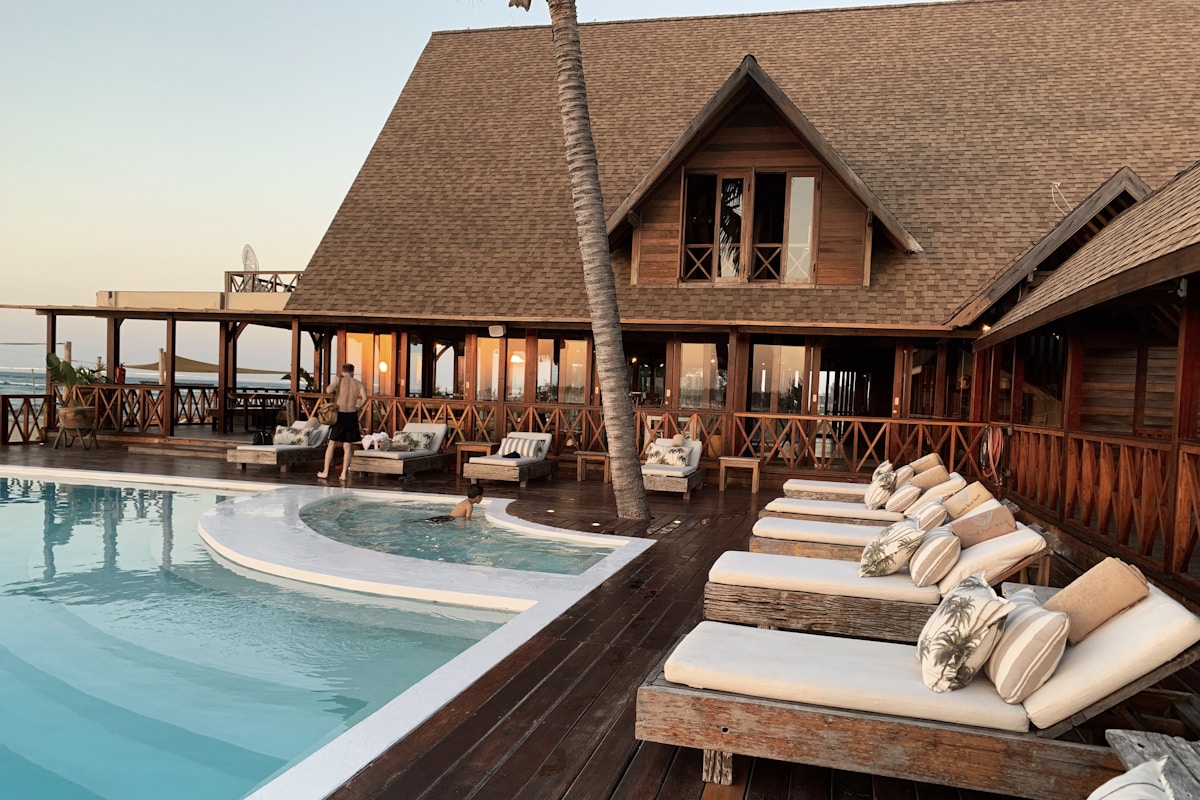
Regional manufacturers can produce custom work, but at higher per-unit cost for short runs and with more limited finish and material options. Where a Foshan factory can match any Pantone finish, source specialty veneers in days, and offer 40 upholstery options in-house, a regional manufacturer typically works from a fixed finish card and material library.
Risk Management: China Sourcing Done Right
The risks in China sourcing are real but manageable with the right process. Quality drift between sample and production is the most common problem — addressed by a clear specification package and a pre-shipment inspection. Payment risk on a new factory relationship is mitigated by using a 30/70 payment structure (30% deposit, 70% on inspection approval before loading). Lead-time slippage is managed by booking production capacity with a confirmed purchase order, not by a verbal commitment.
Currency exposure — hotel projects are typically budgeted in USD, which works in favor of China sourcing since transactions are USD-denominated. Regional supplier transactions in MXN, COP, or PEN introduce currency risk when budgets are set months in advance.
Working with a sourcing agent who has established factory relationships and on-the-ground presence in Foshan eliminates the most significant risks: factory selection, quality auditing, production monitoring, and logistics management. The agent fee — typically 8 to 12 percent of ex-factory cost — is offset many times over by the cost avoidance from a single quality incident or missed shipment.
Decision Framework: When to Choose China vs. Regional
| Factor | Choose China | Choose Regional |
|---|---|---|
| Project size | 50+ rooms | Under 30 rooms |
| Timeline | 12+ months to opening | Under 6 months to opening |
| Customization | High — custom profiles, finishes | Low — catalogue or minor modifications |
| Budget priority | Cost optimization is critical | Speed or local content requirements |
| Quality standard | Branded hotel, international chain | Budget property, replacement order |
How Chinify Sources FF&E for Hotel Projects
Chinify operates as a procurement partner for hotel developers and interior designers working on projects across Latin America. Our process starts at design development — working from your interior designer’s FF&E schedule to identify which items are candidates for China sourcing and which should be sourced locally for lead-time or logistical reasons.
We maintain direct relationships with 40+ vetted factories in Foshan, Shunde, and Dongguan, covering casegoods, upholstered seating, decorative lighting, and outdoor furniture. Every factory in our network has been visited and audited for hotel-project capability, quality management, and export experience.
For each project, we manage the full sourcing cycle: specification review, factory matching, sample ordering and approval, production monitoring, pre-shipment inspection, export documentation, and logistics coordination to your destination port. You receive a single point of contact and a clear cost structure from day one.
Learn more about our process for hotel developers or interior designers, or join a Foshan factory tour to see the manufacturing environment firsthand.
Conclusion
For hotel projects above 50 rooms with 12 or more months to the target opening date, China sourcing consistently delivers the best combination of cost, customization, and quality when managed properly. The risks that deter developers from this path — quality uncertainty, communication barriers, logistics complexity — are process problems, not inherent to the sourcing channel.
The developers who build the most cost-effective hotels in Latin America have one thing in common: they start their FF&E procurement earlier than their competitors, and they use experienced sourcing partners who have already solved the China manufacturing learning curve.