Hotel Furniture Manufacturers in China: Find the Right Factory
Finding the right hotel furniture manufacturer is one of the most consequential decisions in any hotel development project. The wrong choice leads to delayed openings, quality disputes, and budget overruns that can derail an entire project. The right choice delivers furniture that meets brand standards, arrives on schedule, and holds up through years of commercial use — at a price that makes the project viable.
This guide covers everything hotel developers, procurement managers, and interior designers need to know when evaluating hotel furniture manufacturers in China, with a focus on the Foshan manufacturing hub that supplies the majority of international hotel projects.
Why Most Hotel Furniture Is Manufactured in China
China accounts for approximately 37 percent of global furniture exports by value, and within the hotel and hospitality segment, that share is significantly higher. Virtually every major hotel brand — Marriott, Hilton, IHG, Wyndham, Hyatt — sources a substantial portion of their FF&E from Chinese manufacturers. This is not cost-cutting; it is supply chain reality.
The Foshan manufacturing cluster in Guangdong Province has developed over four decades into the most vertically integrated furniture production ecosystem in the world. Raw materials, hardware, fabrics, finishes, and specialist components are all available within a 50-kilometre radius. Lead times are competitive, production capacity is enormous, and the upper tier of factories consistently meets or exceeds the standards required by international hotel brands.
For hotel developers sourcing FF&E for properties in Latin America, Southeast Asia, the Middle East, or North Africa, China is not one option among several — it is the primary channel used by sophisticated procurement teams worldwide.
Types of Hotel Furniture Manufacturers in China
Not all manufacturers in China are the same. Understanding the landscape helps buyers avoid mismatches between project requirements and factory capabilities.
Contract Furniture Specialists
These factories focus exclusively on commercial and hospitality projects. They maintain dedicated hotel project divisions, have experience working with brand standards, and employ project managers who understand FF&E procurement cycles. They typically carry certifications relevant to commercial furniture (ISO 9001, BIFMA compliance documentation) and have track records with major hotel brands. For projects above 50 rooms, these are the manufacturers worth targeting.
Mixed Commercial and Retail Manufacturers
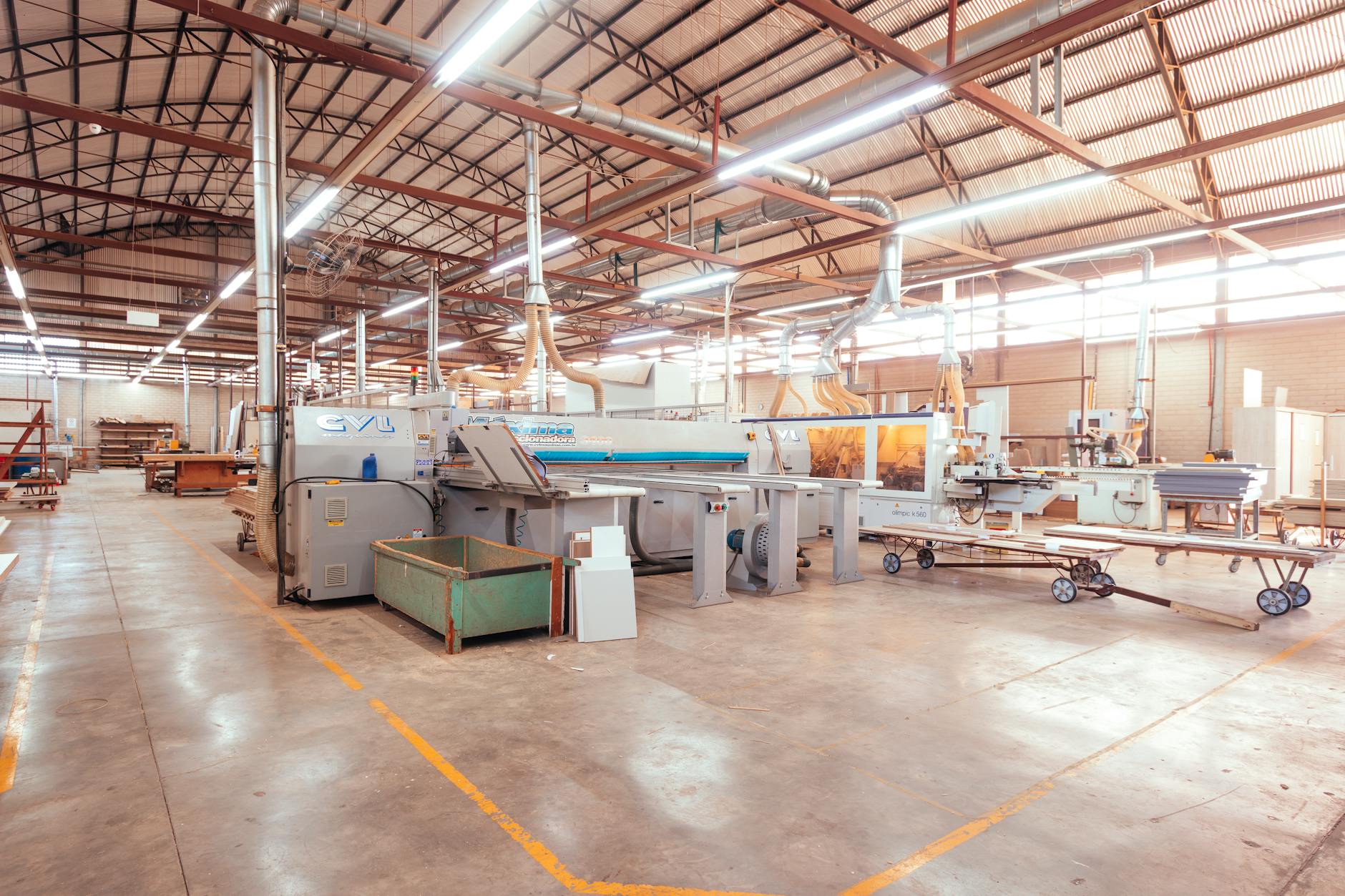
Many mid-size Foshan factories produce for both retail and commercial channels. Quality is variable — they can produce hotel-grade furniture, but their project management infrastructure is less developed. Buyers using these factories need tighter oversight. Lead times can be less reliable when retail orders compete with commercial production scheduling.
Export-Focused Trading Companies
Trading companies aggregate orders across multiple factories and present as manufacturers. They can be useful for small orders or mixed-category procurement, but add a margin layer and reduce direct quality oversight. For hotel FF&E above USD 200,000 in value, working directly with manufacturers is almost always preferable.
Key Criteria for Evaluating Hotel Furniture Manufacturers
When vetting a hotel furniture manufacturer for a major project, buyers should evaluate across six core dimensions:
1. Hotel Project Track Record
Ask for a list of completed hotel projects with brand names, property names, and approximate room counts. A credible manufacturer will have verifiable references — completed properties you can visit or contact directly. Be specific: projects for internationally branded hotels are more relevant references than domestic hotel projects, which often have lower specification requirements.
2. Production Capacity and Lead Time Reliability
A factory that can produce 200 guestroom packages per month may not be the right choice for a 600-room hotel order with a 16-week delivery window. Ask for current order book status, peak capacity, and historical on-time delivery rates. Factories that carry significant mid-order inventory and have dedicated production scheduling teams for hotel contracts manage lead times more reliably.
3. Quality Management System
ISO 9001 certification is a baseline indicator, not a guarantee. More useful signals: dedicated QC teams (not production workers doing self-inspection), documented defect rate tracking, established rework and rejection procedures, and experience with third-party inspection. Ask what percentage of containers fail pre-shipment inspection and how defects are handled.
4. Finish Sample Room
Top-tier hotel furniture manufacturers maintain finish libraries with hundreds of veneer, lacquer, fabric, and hardware options. A well-maintained finish sample room indicates investment in R&D, organised specification management, and a production team that can consistently replicate approved samples at scale. A disorganised or sparse finish room is a red flag for finish consistency.
5. Engineering and CAD Capability
Custom hotel furniture projects require detailed shop drawings, 3D renderings, and precise dimensional compliance. Factories with in-house engineering teams — typically 5 to 20 designers and engineers for a mid-size operation — can work directly from interior designer specifications, flag constructability issues early, and produce accurate finish samples before production commits.
6. Communication and Project Management
The quality of a factory’s English-language project management team directly affects how well the project runs. Communication failures on specification details, change orders, and shipping documentation are a leading cause of hotel FF&E delays. Factories serving international hotel brands typically have dedicated export managers with strong English and experience managing complex documentation requirements.
Pricing Benchmarks for Hotel Furniture from China
Understanding typical pricing ranges helps buyers identify outliers — both factories quoting suspiciously low prices and those operating at premium pricing that may not reflect quality differences.
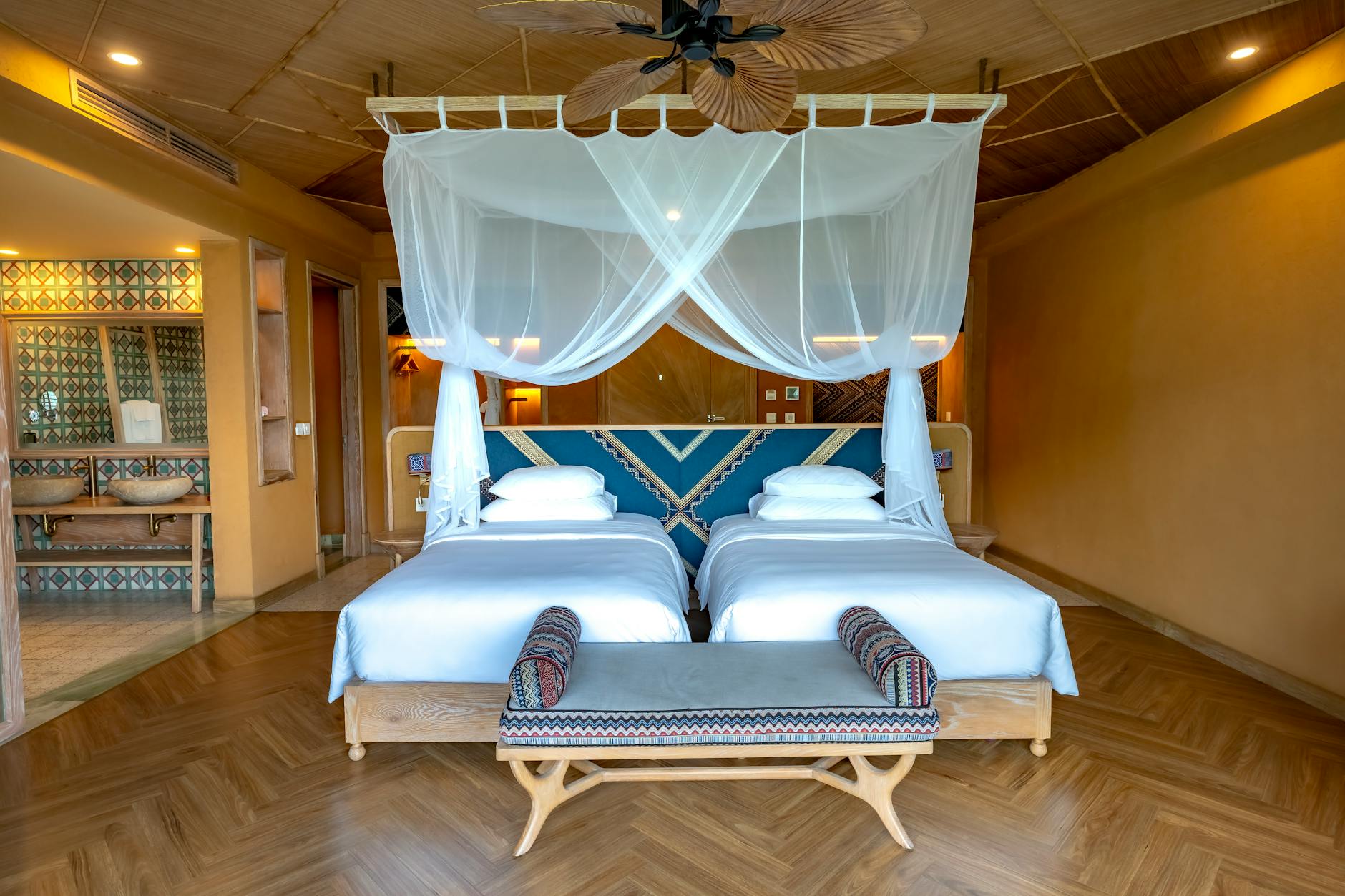
For a standard mid-scale hotel guestroom package (king bed frame, two nightstands, desk with return, wardrobe, luggage bench, one lounge chair, and one occasional table), ex-factory pricing from a vetted Foshan manufacturer typically falls in the following ranges:
- Economy specification (engineered wood, painted or laminate finish, budget upholstery): USD 1,800 – 2,800 per room
- Mid-scale specification (mix of engineered wood and solid wood components, veneer or lacquer finish, commercial-grade fabric): USD 2,800 – 4,500 per room
- Upscale specification (solid wood carcasses, premium veneer, lacquer or high-gloss finish, designer fabric, custom metalwork): USD 4,500 – 8,000 per room
- Luxury specification (solid hardwood throughout, bespoke finish, premium leather and fabric, custom hardware): USD 8,000 – 18,000+ per room
These are ex-factory prices. Add sea freight (typically USD 800 – 1,400 per 40-foot container), destination port charges, customs duties (rates vary significantly by country), and local delivery to reach total landed cost. For Latin American destinations, all-in landed cost is typically 25 to 40 percent above ex-factory pricing.
The Sampling and Approval Process
For any hotel furniture order, the sampling process is non-negotiable. Skipping samples to save time or money is one of the most common and costly mistakes in hotel FF&E procurement.
A proper sampling process includes three stages. First, a finish sample panel (A4 or larger) showing the exact veneer, lacquer colour, fabric, and hardware specified for the project. This is reviewed and approved before any production starts. Second, a prototype of each furniture item, or at minimum the most complex and highest-value pieces, produced to final specification and inspected before bulk production is authorised. Third, a pre-production sample from the first batch of production, confirming that factory-floor production matches the approved prototype.
Lead time for sampling is typically 3 to 6 weeks depending on factory workload. Buyers who compress the sampling process — approving without physical inspection, or waiving the prototype stage — routinely end up with bulk production that differs from what was agreed.
Working with a Sourcing Partner vs. Direct Factory Engagement
Hotel developers new to China sourcing often face a choice: engage factories directly, or work through a sourcing partner based in China who manages factory relationships, quality oversight, and logistics coordination.
Direct engagement works well for buyers with an established China team, existing factory relationships, and the internal capacity to manage project communication across multiple factories. For developers without China presence, a sourcing partner adds value that often exceeds their cost — particularly in factory vetting, on-site quality inspection, and issue resolution when problems arise mid-production.

Common Mistakes When Sourcing from Hotel Furniture Manufacturers
Based on patterns seen across dozens of hotel sourcing projects, the following mistakes consistently cause problems:
- Selecting factories based on showroom presentation rather than production capability. Foshan showrooms are often far more impressive than the factories behind them. Always visit the production facility, not just the display space.
- Accepting verbal commitments on lead time without contractual backup. Lead times should be specified in the purchase order, with penalty clauses for delays beyond agreed tolerances.
- Inadequate specification documentation. Factories produce what is specified. Vague or incomplete specifications produce inconsistent furniture. Each piece should have a full technical drawing with tolerances, material specifications, finish references, and hardware itemisation.
- Consolidating all FF&E with a single factory to simplify coordination. No single factory in Foshan is equally strong across all furniture categories. Top-tier seating manufacturers are rarely the best source for casegoods, and vice versa. Spreading orders across two or three specialist factories typically produces better outcomes.
- Not verifying subcontractor relationships. Some manufacturers outsource portions of production to smaller workshops. Ask directly which components are produced in-house and which are outsourced, and inspect the subcontractors if the value is significant.
How Chinify Works with Hotel Furniture Manufacturers
Chinify is a furniture sourcing agency based in Foshan, China, working exclusively with hotel developers, interior designers, and real estate teams sourcing FF&E for commercial projects. We maintain direct relationships with a curated network of vetted hotel furniture manufacturers across Foshan and surrounding Guangdong districts — factories that we have visited, evaluated, and worked with on live projects.
Our role is to match your project specification with the right manufacturer, manage the sampling and approval process, coordinate production oversight and pre-shipment inspection, and handle all logistics and documentation from factory to destination port. For hotel developers who do not have China procurement infrastructure, we function as your Foshan-based team.
If you have a hotel FF&E project in development and want to understand what sourcing from the right Chinese manufacturer could mean for your budget and timeline, contact Chinify to start a conversation about your project requirements.