Hotel Room Furniture Checklist: Guestroom, Lobby & F&B Areas — Complete FF&E Guide
A hotel opening without a complete FF&E checklist is a project management risk. Missing a single item category — luggage benches delivered without handles, restaurant chairs specified in the wrong fabric, pool deck furniture not ordered at all — can delay opening, force last-minute local purchases at three times the planned cost, or produce a guest-facing quality gap that damages the property’s early reviews.
This checklist covers every furniture category across a full-service hotel: guestrooms, suites, lobby and reception, food and beverage areas, meeting and event spaces, pool and outdoor areas, and back-of-house. Use it as a specification checklist at design-development stage, a procurement tracking tool during sourcing, and a delivery verification list at installation.
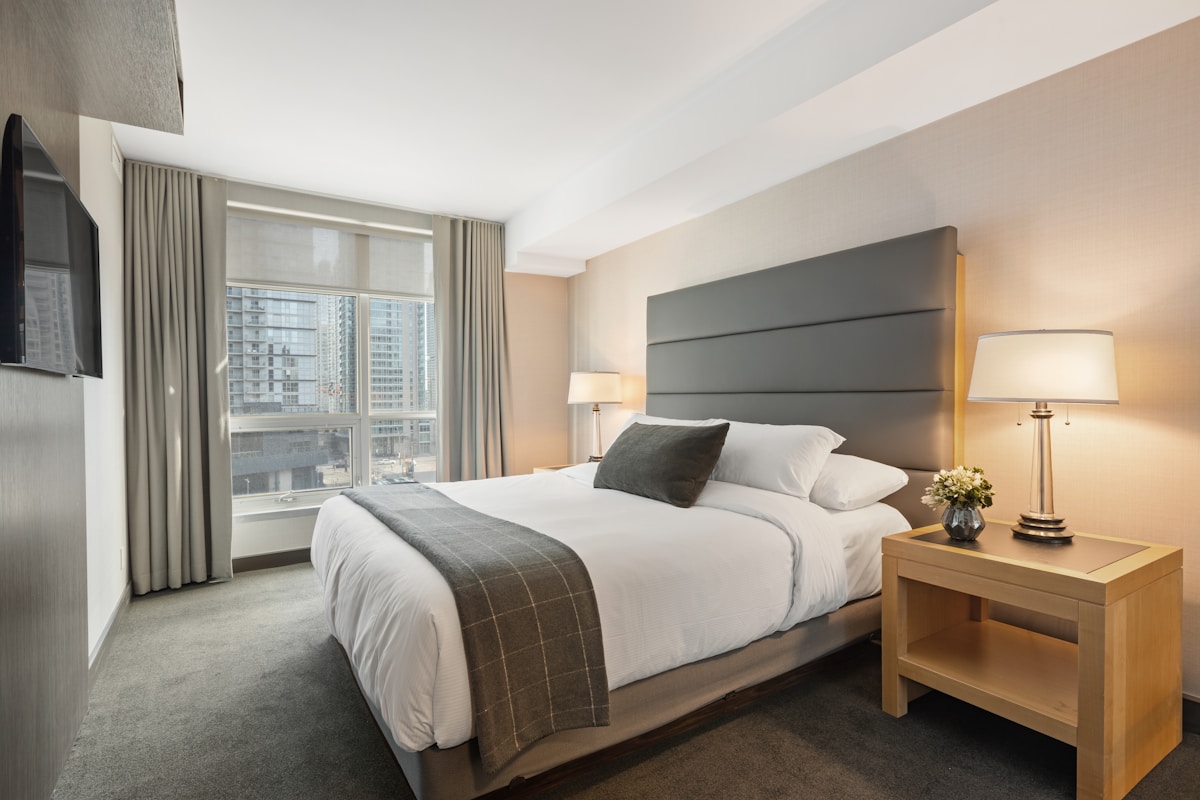
Guestroom Furniture: Standard Room
The standard guestroom is the highest-volume item on any FF&E schedule. For a 100-room hotel, a missed item in the standard room specification means 100 units short — a procurement emergency at opening. Review this list at design-development, not at purchase-order stage.
Sleeping area:
- Bed frame (king, queen, or twin configuration) — includes headboard, side rails, centre support leg
- Bedside tables / nightstands × 2 (king/queen) or × 2 (twin) — confirm drawer or shelf specification
- Mattress platform or box spring (if not integrated into bed frame)
Work area:
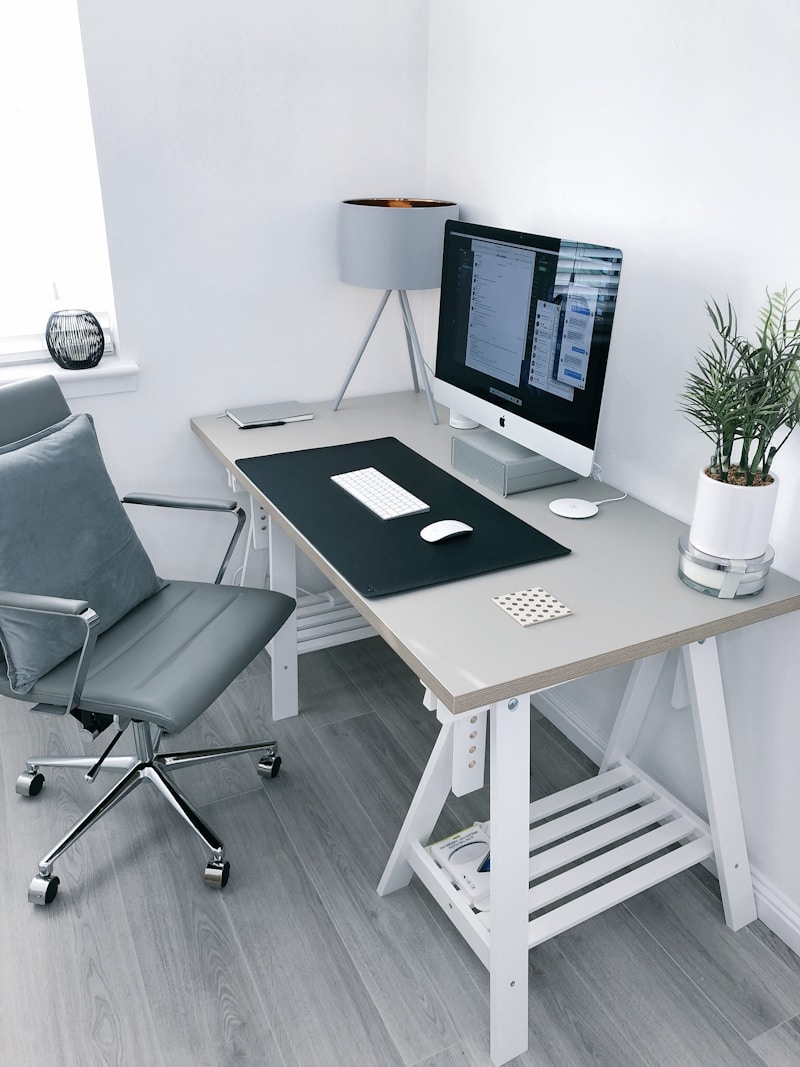
- Desk — confirm dimensions against room plan; note USB/power outlet integration requirements
- Desk chair (task or occasional — specify seat height clearance against desk)
- Mirror (if freestanding over desk; may be FF&E or fixed element depending on design)
Seating:
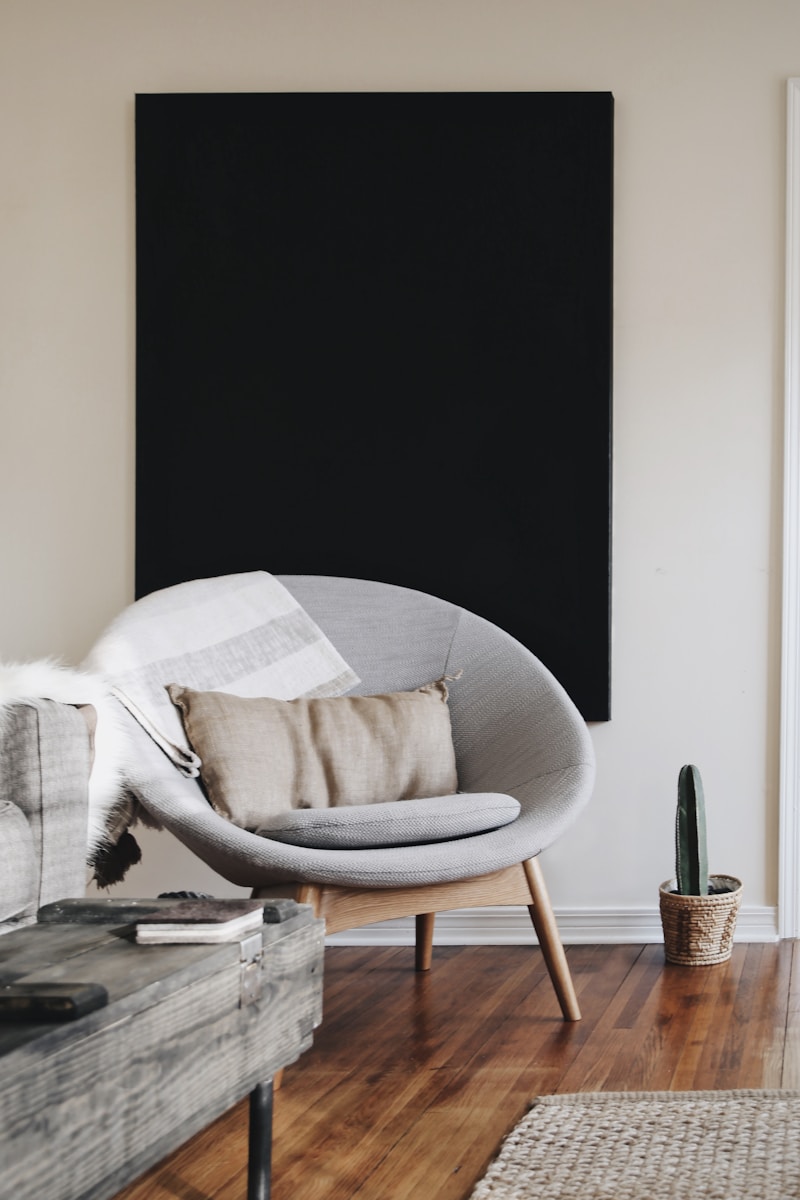
- Lounge chair or occasional chair
- Ottoman or coffee table (if suite or superior room)
Storage:
- Wardrobe / closet — specify internal configuration (hanging rail, shelves, safe platform)
- Luggage bench or luggage rack
- Dresser / chest of drawers (if not integrated into wardrobe)
Other:
- Full-length mirror (if freestanding)
- Decorative items: bedside lamps (×2), desk lamp, floor lamp — confirm fixture type vs. FF&E

Guestroom Furniture: Suite Upgrades
Suites share most items with standard rooms but require additional pieces for the living area and may specify higher-grade materials throughout. Additional items for suite-category rooms:
- Sofa (2-seat or 3-seat for living room) — confirm leg clearance and weight rating
- Coffee table or side tables × 2
- Entertainment console or media unit (if separate from bedroom)
- Dining table + chairs (for full suites with dining area)
- Bar unit or drinks trolley (for suites with wet bar)
- Additional artwork / decorative console
Lobby and Reception Area
The lobby is the guest’s first and last interaction with the physical property. Furniture specification here affects brand perception directly. Typical lobby FF&E items:
Reception desk area:
- Reception/front desk unit (may be fixed construction or FF&E depending on design — clarify with architect)
- Reception chair or stool for staff (behind desk — often overlooked)
- Luggage trolleys × 2–4 (FF&E, not construction)
- Concierge stand (if applicable)

Lobby seating area:
- Lounge sofas (×2–4 depending on lobby size) — confirm fire-retardancy rating for local code
- Lounge armchairs (×4–8)
- Coffee tables and side tables — specify number and size to match seating cluster layouts
- Console / accent tables for circulation areas
- Decorative floor lamps and table lamps (confirm if FF&E or fixed — affects electrical rough-in coordination)
- Room dividers / screens (if applicable)
Lobby circulation:
- Corridor console tables (quantity per floor, per corridor width)
- Framed mirrors for corridor nodes
- Decorative accessories (vases, sculptures — often specified by interior designer as part of accessory package)
Food and Beverage Areas
F&B furniture is the most operationally demanding category in the hotel. Restaurant and bar seating takes more abuse than guestroom furniture — daily use through multiple service periods, food and liquid spills, stacking and unstacking, and cleaning with commercial products. Durability specifications here are non-negotiable.
Restaurant / all-day dining:
- Dining chairs — specify stackable vs. non-stackable, indoor/outdoor rating if patio seating included, minimum 5-year structural warranty
- Dining tables — specify base type (pedestal vs. leg), table top material (confirm chemical resistance), and whether table tops and bases are separate shipments
- Booth seating (if applicable) — confirm if manufactured as self-contained units or assembled on site; affects logistics significantly
- High chairs × quantity (for family-oriented properties)
- Serving stations / credenzas (if FF&E, not built-in)
Bar area:
- Bar stools — specify seat height against bar top height; confirm footrest configuration
- Lounge chairs and low tables for bar seating clusters
- Bar back display units (if FF&E — often built-in construction)
Breakfast area (if separate from main restaurant):
- Buffet console or display tables (if FF&E)
- Dining chairs and tables as above — specify quantity and dimensions
Meeting and Event Spaces
Meeting room furniture is often underspecified at procurement stage because it feels less guest-facing than guestrooms or lobby. In practice, the quality of conference chairs and tables directly affects corporate and MICE booking decisions. Items to specify:
- Conference chairs — specify lumbar support, arm height adjustability, castors vs. glides (glides for hard floors, castors for carpet), stackable vs. non-stackable
- Conference table — specify dimension range (modular tables for flexible room configurations), table top material, cable management requirements
- Podium or lectern (for event-focused properties)
- Staging or riser sections (if applicable)
- Banquet chairs — stackable, specify weight rating and stacking height for storage
- Banquet tables (round and rectangular) — specify folding leg vs. fixed leg; storage trolleys for banquet furniture

Outdoor and Pool Deck Furniture
Outdoor furniture requires separate specification from indoor because material durability requirements are fundamentally different. Items specified for indoor use — standard teak finish, non-marine-grade hardware, standard foam — will deteriorate within 12 months in a pool environment. Confirm:
- Sun loungers / daybeds — specify marine-grade aluminium frame (not mild steel), quick-dry cushion foam (minimum 25-density closed-cell), UV-resistant fabric (Sunbrella or equivalent)
- Pool deck chairs and side tables — as above for material specification
- Outdoor dining sets (for pool bar or terrace) — specify water-drain table tops, all-weather seat material
- Umbrellas and bases — separate from furniture but often in same sourcing package
- Storage boxes for cushions (if applicable)
Back-of-House and Staff Areas
Back-of-house furniture is consistently under-budgeted and under-specified until the last moment, when procurement teams realise the staff pantry, housekeeping room, and security desk also need furniture and there is no budget left. Items to include in the original FF&E scope:
- Staff lounge / canteen: dining tables and chairs (commercial grade), lockers
- Housekeeping rooms: linen storage shelving, trolley staging area
- Security desk / guard station: functional desk and chair
- Loading dock / receiving area: work tables, storage shelving
- Executive offices: standard commercial office furniture — desks, chairs, storage
Budgeting by Category: Typical Per-Room Allocations
For a mid-scale (4-star equivalent) hotel with 100 guestrooms, typical China-sourced FF&E cost allocations are:
| Area | USD Per Key (Furniture Only) |
|---|---|
| Guestroom (standard) | USD 2,800 – 4,500 |
| Suites (per suite) | USD 5,500 – 12,000 |
| Lobby / reception (total) | USD 18,000 – 45,000 |
| Restaurant / F&B (total) | USD 12,000 – 35,000 |
| Meeting rooms (total) | USD 8,000 – 20,000 |
| Pool / outdoor (total) | USD 10,000 – 28,000 |
| Back-of-house (total) | USD 5,000 – 10,000 |
These ranges reflect China-sourced furniture at the hotel-grade tier. Local sourcing in Latin America adds 30 to 50 percent to most line items. US or European contract sourcing adds 80 to 120 percent.
Using This Checklist with Chinify
Chinify works with hotel developers and interior designers at the design-development stage to turn FF&E schedules into sourced procurement plans. We review your item list against our factory network, identify which items are best sourced from China versus locally, and produce a phased procurement schedule that aligns with your construction and opening timeline.
The Chinify furniture catalog shows example pieces from our factory network across all hotel categories. For custom-specification sourcing, contact us with your FF&E schedule and we can provide a detailed sourcing proposal within seven business days.
If you are sourcing for a project in Mexico specifically, see our guide to importing hotel furniture from China to Mexico.
Conclusion
A complete FF&E checklist is the difference between a hotel that opens on time and on budget and one that scrambles to fill gaps at opening with local-purchase items that do not match the design specification. The categories most often missed — back-of-house, outdoor furniture, corridor and public-area accessories — are not glamorous but they are visible to guests and to brand standard inspectors.
Use this checklist at design-development stage, before the interior designer finalises specifications, so that budget and procurement timelines are built around the complete item list from the start.