Furniture Sourcing from China for Latin American Projects
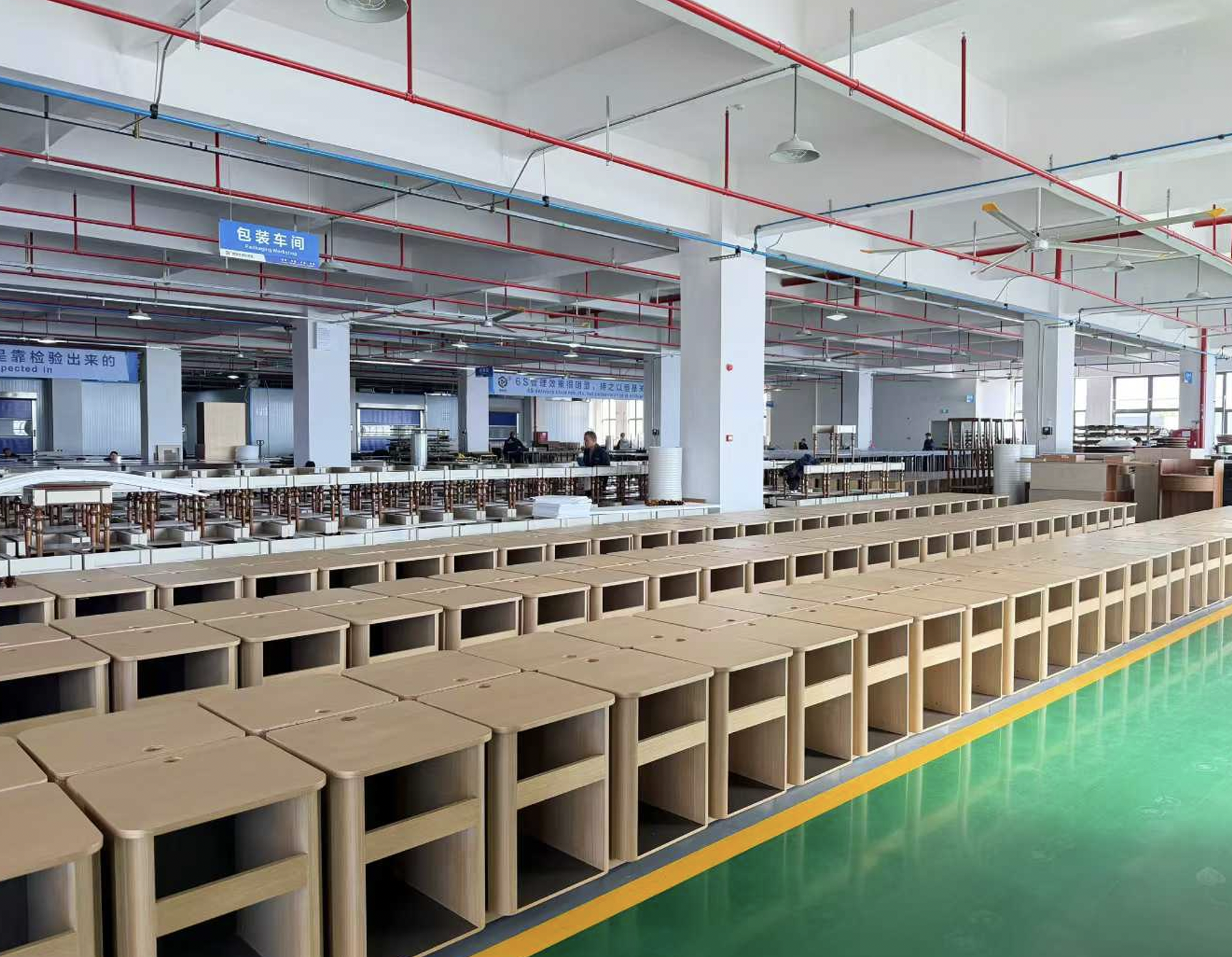
For a hotel, villa, residential tower, or commercial project in Latin America, buying furniture from China can look straightforward at first. There are factories, catalogs, quotations, samples, and shipping options everywhere.
The difficult part is usually not finding a factory.
The difficult part is knowing which factory can keep the same finish after the sample is approved. Which supplier understands hospitality tolerances. Which team will pack furniture properly for a long ocean route. Which quote is missing hardware, fabric, packaging, or local delivery details. And which small decision today will become an expensive delay three months from now.
Chinify works between Foshan, China and Latin American project teams to make that process more controlled. We help developers, hotel owners, procurement teams, and interior designers source furniture from verified Chinese factories, with support for custom pieces, FF&E packages, quality control, and export coordination.
We are not trying to make China sourcing sound effortless. It is not. It works well when the project is managed carefully.
Why Latin American Teams Source Furniture from China

China remains one of the strongest places in the world to source furniture for large hospitality and residential projects. The reason is not only price. In many cases, the bigger advantage is production range.
In Foshan and nearby manufacturing hubs, a project team can source beds, casegoods, loose furniture, dining chairs, sofas, outdoor pieces, stone-top tables, cabinetry, metal details, and upholstered items within one supplier network.
For Latin American projects, that range matters. A hotel or residential development may need many categories at once, often with custom finishes and specific dimensions. Managing that across many separate local vendors can become slow and inconsistent.
China sourcing can make sense when:
- The project needs many furniture categories, not just one product.
- The design requires custom dimensions, finishes, or materials.
- The order volume is large enough to justify sample development and ocean freight.
- The team needs hotel-grade durability, packaging, and repeatability.
- The project can plan ahead instead of buying at the last minute.
It is less suitable for very small orders, urgent replacements, or projects where the design may still change every week.
Where Projects Usually Get Complicated
Most sourcing problems do not happen because a factory is dishonest. They happen because the project was not specific enough at the beginning.
A drawing may say "walnut finish," but not define veneer grade, stain tone, edge detail, gloss level, or acceptable color variation. A sofa may look correct in a rendering, but the seat height, foam density, cushion construction, and fabric performance may still be open to interpretation.
For Latin American projects, there are also practical issues:
- Spanish-speaking stakeholders may be reviewing decisions while production teams work in Chinese or English.
- Time zones slow approvals when every small clarification takes another day.
- Shipping timelines need to match site readiness, not just factory completion.
- Packaging must survive a long route, port handling, and inland delivery.
- Import documents must be clean enough for the local customs process.
These are not glamorous details, but they are where money is protected.
How Chinify Works Between Foshan and Latin America
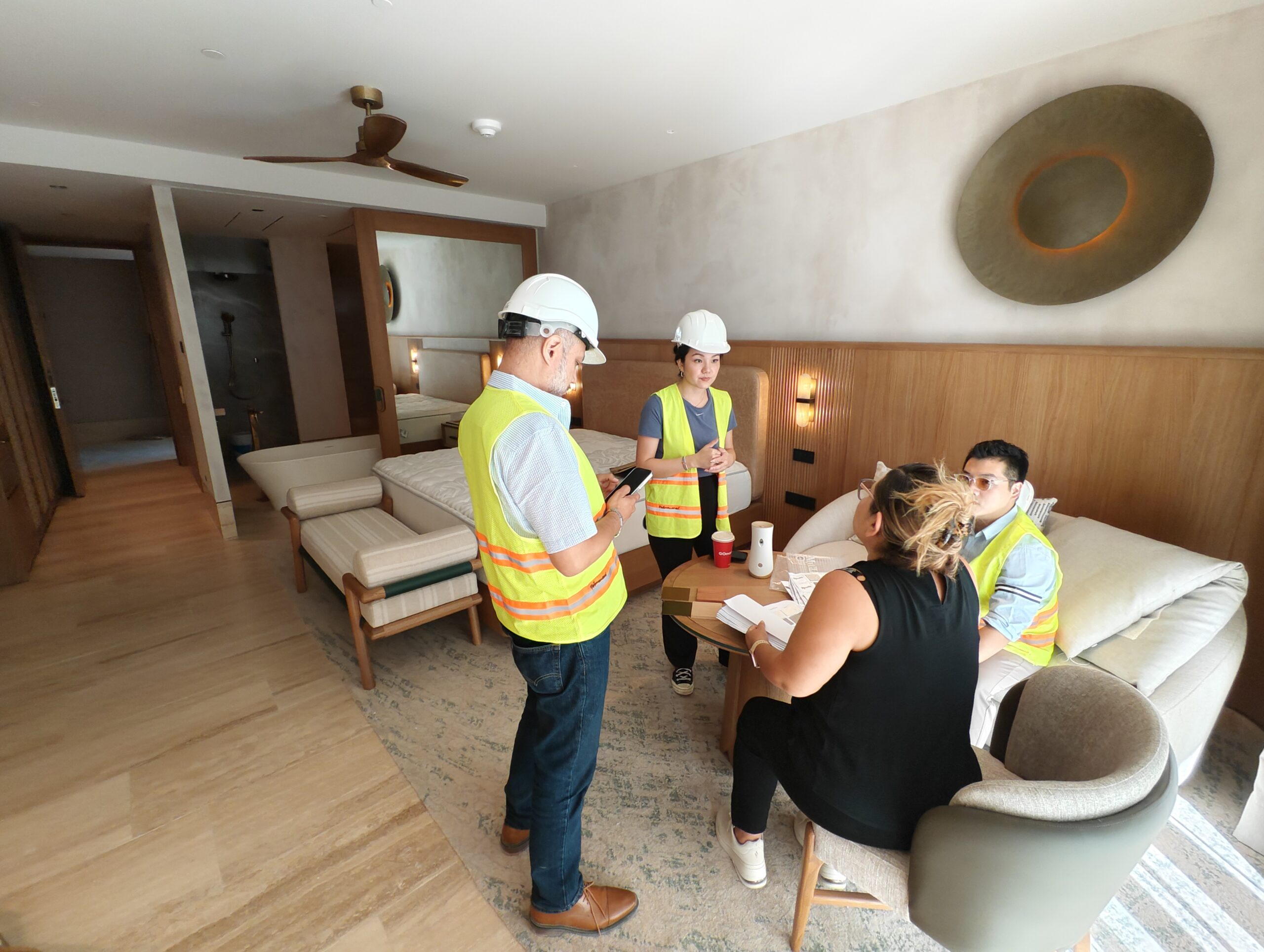
Chinify is built around a simple idea: the factory side and the client side both need context.
Our manufacturing network is based in Foshan, one of China's most important furniture production regions. Our client support includes a Latin America focus, with sales presence in Mexico City and experience helping teams who need China production without managing every factory conversation alone.
The work usually starts with a project scope: room types, furniture categories, reference images, drawings, materials, target quantities, timeline, and destination.
From there, we help clarify what should be custom, what can be adapted from existing models, which items need samples, and where the budget may be affected by material choices or order quantities.
Then we coordinate quotations, sampling, production checks, packaging, and export preparation.
This does not remove every risk. No serious sourcing partner should promise that. What it does is make the risk visible earlier, before furniture is already in production.
What Types of Projects Are a Good Fit
Chinify is best suited for B2B projects where furniture is part of a larger scope.
Good fits include:
- Boutique hotels and resorts
- Multi-unit residential buildings
- Villas and luxury residences
- Restaurants, lounges, and public areas
- Interior design projects with custom furniture needs
- Developer-led FF&E packages
We are usually not the right fit for one-off retail purchases or small orders where local buying would be faster and more practical.
That honesty matters. Sourcing from China is powerful when the project scale, timeline, and decision-making process fit the model.
A Practical Process

1. Scope Review
We review your furniture list, drawings, references, quantities, and destination. If the scope is still early, we help identify what needs to be clarified before pricing.
2. Supplier Matching
We match each category to suitable factories in our network. A hotel casegoods factory is not always the right factory for loose residential furniture, and vice versa.
3. Quotation and Specification
We prepare pricing around real specifications, not vague product names. Materials, dimensions, finish notes, packaging, and assumptions are clarified as much as possible.
4. Samples and Approval
For custom items, samples or finish panels are used to reduce uncertainty before full production.
5. Production and Quality Control
We coordinate production updates and inspection checkpoints, with attention to finish consistency, dimensions, hardware, upholstery, and packaging.
6. Export Coordination
We support packing lists, commercial invoices, container planning, and coordination with freight partners.
What We Do Not Recommend
We do not recommend choosing the lowest quote without checking what is included. A low unit price can become expensive if packaging is weak, materials are changed, samples are skipped, or the factory is not used to project work.
We also do not recommend starting with too many suppliers. For a complex project, fewer well-managed factories are often better than a long list of disconnected vendors.
And we do not recommend treating custom furniture like a simple catalog order. Custom work needs decisions. The earlier those decisions are made, the smoother the project becomes.
Planning a Project?
If you are sourcing furniture from China for a project in Mexico, Central America, South America, or the wider Americas, send us your project scope. A short brief is enough to begin: project type, location, furniture categories, approximate quantities, drawings or references, and target timeline.
We will tell you what is realistic, what needs more detail, and where China sourcing can genuinely help.
FAQ
Does Chinify only work with Mexico-based projects?
No. Mexico is an important part of our Latin America focus, but we can support projects across Latin America and the wider Americas.
Can Chinify manage custom furniture, not just catalog items?
Yes. Many projects require custom dimensions, finishes, upholstery, stone, metal details, or casegoods. Custom work should be specified carefully before production.
Is sourcing from China always cheaper?
Not always. It depends on volume, materials, freight, local alternatives, and how much customization is required. China sourcing usually makes the most sense for larger B2B projects with planned timelines.
Can we visit the factories before ordering?
Yes. For serious buyers, a Foshan factory visit can be arranged. This is especially useful before large hotel or developer orders.
What information should we send first?
Send project location, project type, furniture categories, quantities, drawings or reference images, material preferences, and timeline. Even a rough scope is enough for an initial conversation.
Planning a project?
Send us the basic scope and we will tell you what is realistic, what needs more detail, and where China sourcing can help.