How to Buy Furniture from China: Step-by-Step Hotel Guide
Buying furniture from China is one of the most cost-effective decisions a hotel developer or commercial interior designer can make — if done correctly. Managed well, it can reduce FF&E costs by 30 to 50 percent compared to regional manufacturers while delivering hotel-grade quality. Managed poorly, it can result in delayed projects, quality disputes, and furniture that arrives damaged or wrong.
This step-by-step guide covers the complete process for buying furniture from China for hotel and commercial projects — from initial market research through factory selection, sampling, production, shipping, and delivery.
Step 1: Define Your Specification Before Approaching Factories
The most important preparation step when buying furniture from China is having a complete, detailed specification before you contact a single factory. Buyers who approach factories without clear specifications get highly variable quotations that cannot be compared meaningfully, and they invite factories to make material substitutions and specification shortcuts that will not become apparent until the furniture arrives.
A complete furniture specification includes:
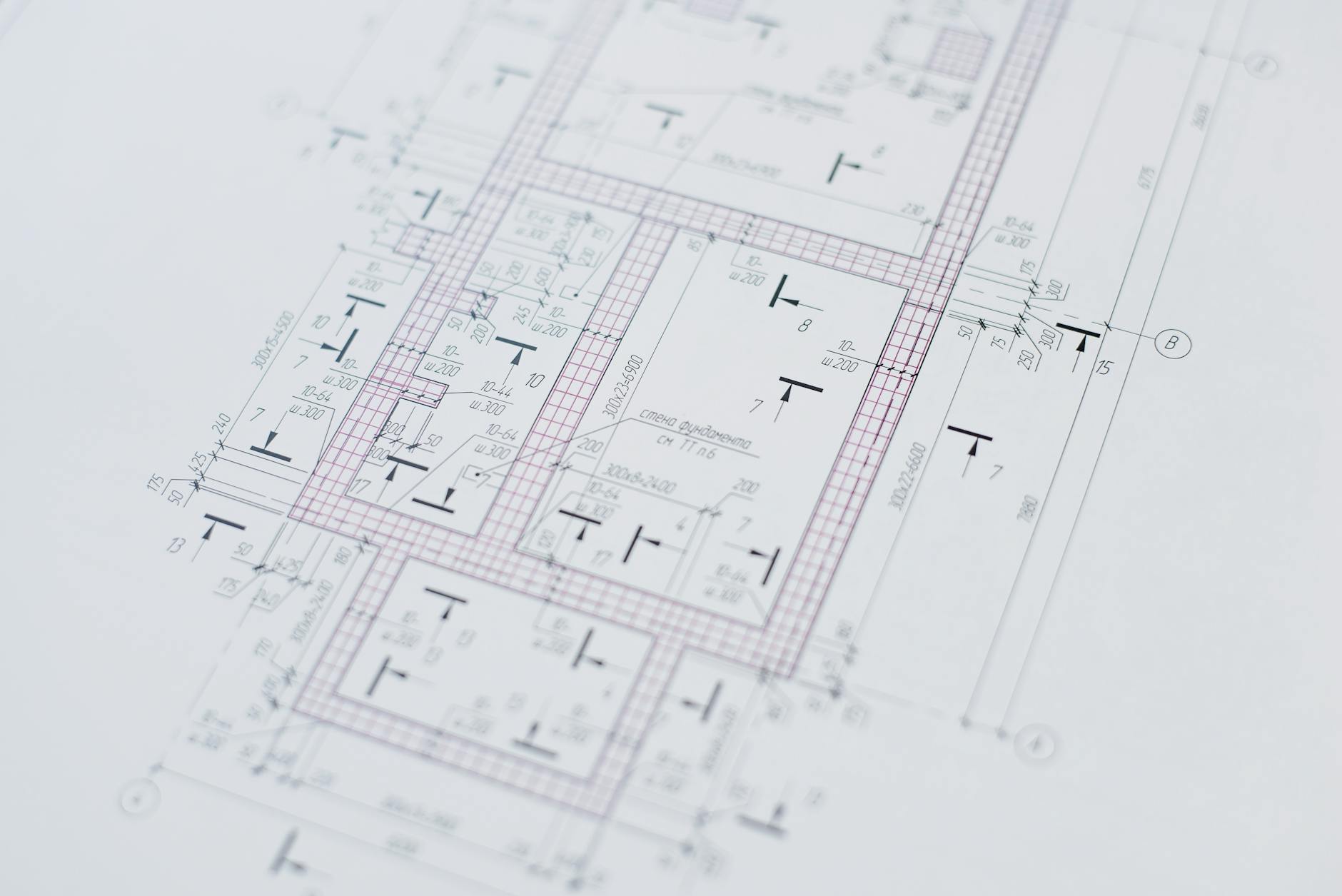
- Technical drawings: Dimensioned drawings for each furniture item with tolerances. These do not need to be engineering-grade, but they need to clearly communicate the intended form and dimensions.
- Material specifications: Specify wood species or board type, grade, and construction. Do not say “solid wood” — specify whether you mean solid hardwood frame with engineered wood panels, or solid wood throughout, and what species.
- Finish specifications: Describe finish type (lacquer, veneer, laminate, paint), sheen level (matte, semi-gloss, high-gloss), and colour using a reference system (RAL, NCS, Benjamin Moore, or a physical sample).
- Hardware specifications: Specify hardware brand, model, or performance requirement for drawer slides, door hinges, and handles.
- Upholstery specifications: Fabric type, COM or factory-supplied, rub count requirement, colourway.
- Quantities: Room count with furniture items per room, plus public space items listed separately.
The more complete and precise your specification, the more accurate and comparable your factory quotations will be, and the less room for quality disputes during production.
Step 2: Identify the Right Manufacturing Region
For hotel and hospitality furniture, Foshan in Guangdong Province is the appropriate sourcing geography. Specifically:
- Lecong and Longjiang districts in Foshan — the core of the commercial furniture manufacturing cluster, with the highest concentration of export-focused contract furniture manufacturers
- Shunde district — strong in upholstered seating and some casegood manufacturers
- Dongguan — relevant for office furniture and metal-frame seating
Other regions — Shanghai, Zhejiang, Sichuan — have furniture industries but are less relevant for hotel contract furniture at competitive pricing. Foshan is where the supply chain is most developed and where the manufacturers with hotel project track records are concentrated.

Step 3: Source and Shortlist Manufacturers
Identifying qualified manufacturers is harder than it appears. The easiest channels — Alibaba, Global Sources, Made-in-China — give access to thousands of suppliers but provide limited information about actual production capability, and the self-reported quality claims on these platforms are unreliable.
More reliable approaches for finding qualified hotel furniture manufacturers:
- Industry trade shows: CIFF (China International Furniture Fair) in Guangzhou and the Foshan furniture industry exhibitions attract the significant manufacturers. In-person review of actual production samples is more informative than online profiles.
- Referral from other buyers: If you know other hotel developers or designers who have sourced from China, their factory recommendations carry far more weight than any directory listing.
- Sourcing agents: A qualified China furniture sourcing agent maintains curated factory networks built from project experience. Working with an agent removes the identification and vetting burden from the buyer.
- Direct factory research: For buyers planning to visit Foshan directly, the Lecong furniture market complex provides physical access to hundreds of manufacturer showrooms within a walkable area.
From your initial research, shortlist three to five manufacturers for each major furniture category. You are not looking for one factory to supply everything — you are building a small supply chain of specialist manufacturers.
Step 4: Request for Quotation and Factory Visits
Issue your RFQ (Request for Quotation) to your shortlisted manufacturers simultaneously, with a specified response deadline. Include your complete specification documents. Give factories two weeks to respond with itemised quotations.
Review the quotations critically. Significant price differences between manufacturers responding to the same specification are usually a signal that they are quoting different things — different materials, different construction methods, or different finish approaches. Request clarification before making any comparison.
Shortlist to two manufacturers per category and visit them before committing any order. A factory visit covering the showroom, production floor, finishing area, and QC stations — typically a half-day per factory — provides information that no amount of documentation review can replicate. The visit confirms whether the factory’s stated capability is reflected in their actual operation.
Step 5: Negotiate Terms and Issue Purchase Orders
Once you have selected your manufacturers, negotiate payment terms, delivery schedule, and warranty conditions before issuing a purchase order. Standard terms for first-time buyers are typically 30 to 50 percent deposit against PO, with balance due against copy of shipping documents. For order values above USD 500,000, consider a letter of credit for security.
Key contract terms to include:
- Delivery date with penalty provisions for delays beyond agreed tolerance (typically 14 days)
- Quality standard reference — specify that furniture must match approved samples
- Inspection rights — your right to conduct pre-shipment inspection before releasing balance payment
- Non-conformance resolution procedure — how defects are to be remedied
- Packing specification — type of protective packing required for sea freight

Step 6: Sampling and Approval
Before bulk production begins, go through a proper sampling process. This is not optional and cannot be compressed without accepting quality risk.
A standard sampling process includes:
- Finish sample panels (2–3 weeks): Physical samples of all specified finishes — veneers, lacquers, fabrics, hardware. Review and approve or request revisions before proceeding.
- Prototypes (3–5 weeks): Full-size prototype of each furniture item, or at minimum the most complex and highest-value pieces. Physically inspect prototypes before approving bulk production. Note any dimensions, finishes, or construction details that differ from specification.
- Pre-production sign-off: Once prototypes are approved and any revisions incorporated, issue written production authorisation. Keep a signed approval record with approved sample reference numbers that production can use as a quality baseline.
Buyers who skip the prototype stage or approve based on photographs rather than physical inspection frequently end up with bulk production that differs in some material way from what they expected. The cost of a prototype is typically USD 500 to 2,000 per item. The cost of receiving 200 guestroom packages that do not match specification is orders of magnitude higher.
Step 7: Production Oversight
During production, plan for two to three factory visits if you or your agent can access the factory. The most important timing points are:
- Mid-production visit (50% complete): Confirm materials being used match approved samples. Check finish quality on completed pieces. Flag any issues while sufficient production remains to make corrections.
- Pre-shipment inspection (production complete, before packing): Conduct a thorough inspection against approved samples. Check dimensions, finish, hardware operation, structural integrity, and quantity. This is your last opportunity to identify and require correction of non-conformances before the container is sealed.
If you cannot be on-site, engage a professional inspection firm or your sourcing agent to conduct these inspections and report findings with photographs.
Step 8: Shipping and Logistics
Hotel FF&E from China to Latin America is typically shipped in full container loads (FCL) by sea freight. Standard container sizes are 20-foot (approximately 25 cubic metres usable) and 40-foot (approximately 55 cubic metres usable). For a 100-room hotel project, expect five to fifteen 40-foot containers depending on furniture volume.
Key logistics considerations:
- Freight forwarder: Use a freight forwarder experienced with furniture and Latin American customs requirements. Furniture has specific HS codes that affect duty calculations, and some destination markets have specific import documentation requirements.
- Packing and loading supervision: Supervise or have your agent supervise container loading. Furniture that is improperly packed or loaded shifts during the sea voyage and arrives damaged.
- Customs documentation: Ensure all commercial invoices are accurate, origin certificates are in order, and any required compliance documentation for the destination country is obtained before shipment.
- Port of destination: Confirm your logistics chain from the destination port to the project site before the container ships. Port-to-site logistics are often the most expensive and complex final mile.

Common Mistakes When Buying Furniture from China
The same mistakes appear repeatedly in hotel furniture procurement projects. The ones with the highest cost consequences:
- Starting too late. The full procurement cycle — specification, sampling, production, shipping — takes 24 to 36 weeks. Buyers who start the process six months before a scheduled hotel opening are already at risk.
- Accepting the lowest quote without understanding why it is lowest. A factory quoting 30 percent below three competitors is almost certainly specifying different materials or lower construction standards. Request itemised quotation breakdowns before selecting on price.
- Skipping the factory visit. The information available from a two-hour factory walk-through cannot be obtained any other way. For an order above USD 200,000, the cost of a Foshan trip is easily justified.
- Releasing full payment before pre-shipment inspection. Pre-shipment inspection is only effective if you have leverage to require non-conformance correction. Once the balance is paid and the container is sealed, your ability to compel remediation is greatly diminished.
- Under-specifying packing requirements. Hotel furniture contains finished surfaces that scratch, veneer that chips, and upholstery that marks. Proper packing for sea freight — cardboard protection, foam wrapping, rigid crating for fragile items — is a specification requirement, not a factory discretionary choice.
Buying Furniture from China with Chinify
Chinify is a furniture sourcing agency based in Foshan that manages the complete process of buying hotel and commercial furniture from China for international clients. We handle factory identification and vetting, specification management, sampling coordination, production oversight, pre-shipment inspection, and logistics to destination port.
For hotel developers, interior designers, and real estate teams who want the cost advantages of Chinese manufacturing without the complexity of managing the process independently, Chinify provides a complete, end-to-end service. We have completed projects for hotel properties ranging from boutique resorts to 400-room branded hotels across Latin America.
If you have a hotel project requiring FF&E procurement and want to understand what buying furniture from China looks like in practice, contact Chinify to discuss your project requirements.
China Furniture Sourcing Agent: What They Do & Whether You Need One
A China furniture sourcing agent is a professional or firm based in China that acts on behalf of international buyers to identify manufacturers, manage the procurement process, oversee production quality, and coordinate logistics. For hotel developers, interior designers, and commercial real estate teams sourcing FF&E from China without a local team, a sourcing agent is often the difference between a smooth procurement process and an expensive, delayed project.
This guide explains what a China furniture sourcing agent actually does, how their fees are structured, when using one is the right decision, and how to evaluate agents to find one that fits your project needs.

What a China Furniture Sourcing Agent Does
The role varies significantly between agents, but a full-service China furniture sourcing agent typically provides the following services:
Factory Identification and Vetting
A well-connected sourcing agent maintains relationships with manufacturers across multiple product categories. For a hotel project, this means knowing which Foshan factories have demonstrated capability in hotel-grade casegoods, which seating manufacturers have produced for international brands, and which custom fabricators can handle the complex decorative pieces a designer might specify. This knowledge takes years to develop and requires ongoing factory relationship management — it is not information that can be assembled from trade directories or Alibaba listings.
Beyond identification, vetting means visiting the factory, reviewing past project references, assessing production capability against your specific requirements, and making a qualified judgment about whether this manufacturer can deliver what you need on time and to specification. A buyer doing this remotely, without the language skills or market knowledge to ask the right questions, will make different assessments than an agent with a decade of Foshan experience.
Specification and Quotation Management
Getting an accurate quotation from a Chinese furniture manufacturer requires translating a design specification — often originating as an interior designer’s drawings and finish schedules — into a manufacturing specification that factories can price. This translation process involves resolving ambiguities, specifying materials precisely enough that different factories are quoting comparable products, and ensuring the quote includes all components needed for project installation.
A sourcing agent manages this process, coordinates quotation requests across multiple factories, and presents buyers with comparable options rather than apples-and-oranges comparisons that obscure real cost differences.
Sampling Coordination
The sampling process for hotel FF&E typically involves multiple rounds of finish samples, prototypes, and pre-production approvals. Managing this remotely is difficult — physical samples need to be inspected, feedback needs to be accurately communicated to the factory, and revisions need to be tracked. A sourcing agent based in China coordinates this process locally, inspects samples on the buyer’s behalf, communicates feedback in the factory’s language, and confirms that approved specifications are accurately captured before production begins.
Production Oversight
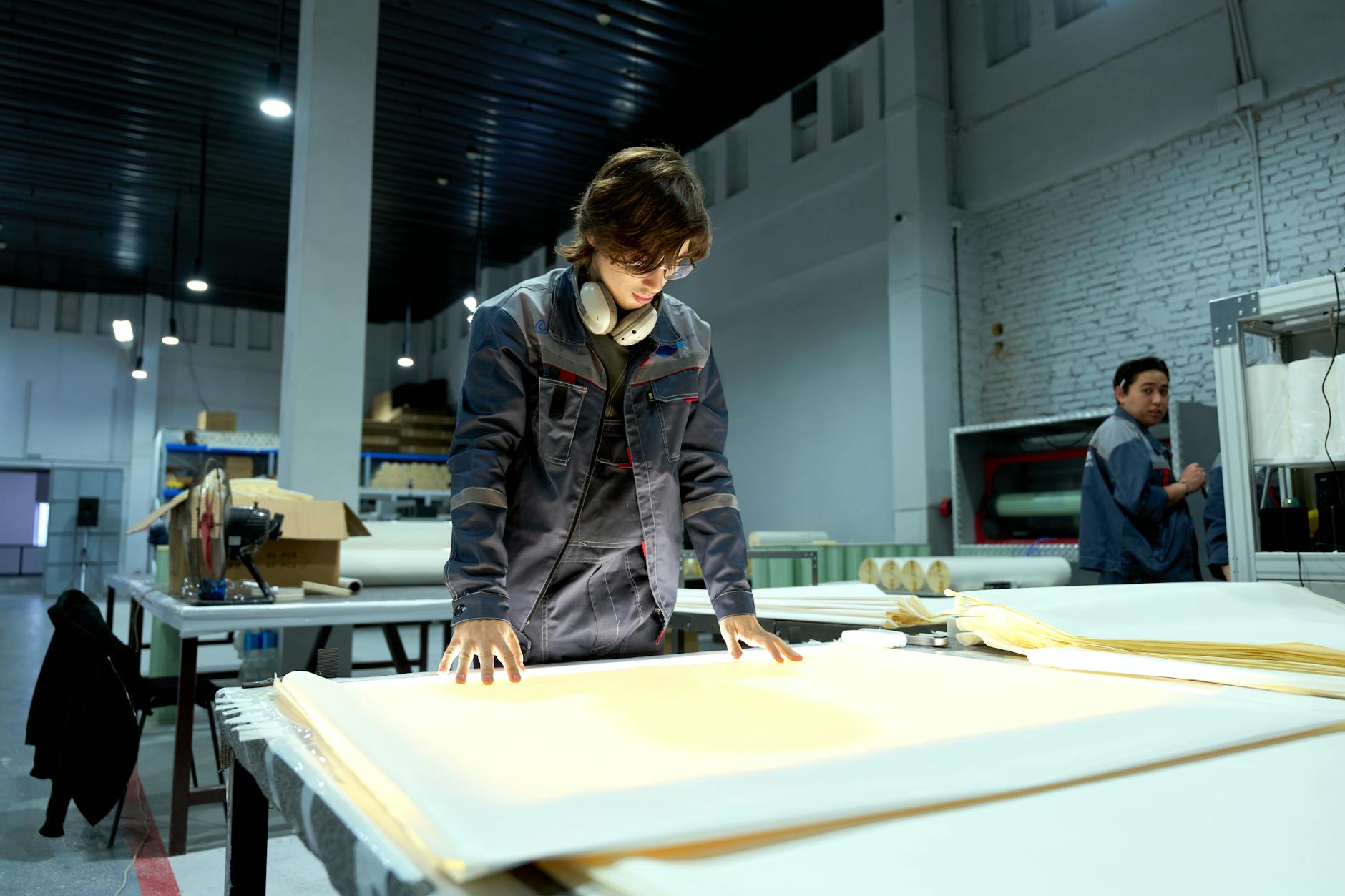
During production, a sourcing agent makes scheduled factory visits to check production progress, review quality at key stages, and identify issues before they become problems that affect the full order. For a 200-room hotel order spread across two or three factories, a production oversight programme typically involves four to eight factory visits over the production period, with written reports after each visit.
This ongoing oversight is one of the highest-value services a sourcing agent provides. Quality problems caught during production can be corrected at low cost. Quality problems discovered at pre-shipment inspection, or worse, at destination, are expensive to resolve and may be impossible to fix within the project timeline.
Pre-Shipment Inspection
Before any container is sealed for shipment, a thorough pre-shipment inspection should verify that the furniture matches approved samples, that quantities are correct, that packing is adequate for sea freight, and that all documentation is in order. A sourcing agent either conducts this inspection directly or coordinates with a specialist inspection firm, presents findings to the buyer, and manages resolution of any non-conformances before the container leaves China.
Logistics and Documentation
Export documentation for hotel FF&E is substantial — commercial invoices, packing lists, bills of lading, certificates of origin, fumigation certificates, and any required compliance documentation for the destination country’s customs authority. A sourcing agent ensures this documentation is accurate and complete, coordinating with freight forwarders and customs brokers at both ends of the shipment.
How China Furniture Sourcing Agents Charge
Sourcing agent fees are structured in several ways. Understanding the fee model is important for evaluating agents and understanding where their interests are aligned with yours.
Percentage of FOB Value
The most common fee structure for furniture sourcing agencies is a percentage of the FOB (Free on Board) value of the order — typically 5 to 12 percent depending on project complexity, order size, and the scope of services included. Larger orders generally negotiate lower percentage rates. This model aligns the agent’s interest with producing accurate quotations (higher quality execution produces larger orders) but needs careful scoping to ensure all services are included within the stated percentage.
Fixed Project Fee
Some agents charge a fixed project management fee agreed at project kick-off, independent of order value. This model is common for projects with complex sourcing requirements or significant custom development work. It removes any incentive for the agent to inflate order values and makes budgeting more predictable for the buyer.
Factory Commission (Hidden)
Some individuals presenting as sourcing agents are primarily paid by the factories they recommend — receiving a kickback on each order placed. This creates a direct conflict of interest: the agent recommends the factories that pay the highest commission, not the factories best suited to the buyer’s project. Buyers should ask agents directly and explicitly how they are compensated, and should be cautious of any agent who cannot or will not answer this question clearly.

When Using a China Furniture Sourcing Agent Is the Right Decision
Not every buyer needs a sourcing agent. The economics and operational logic depend on your situation.
A sourcing agent adds clear value when:
- You are sourcing from China for the first time and do not have established factory relationships
- Your project requires furniture across multiple product categories, requiring coordination across multiple factories
- You do not have Mandarin-speaking staff capable of managing technical specification and production communication in Chinese
- You cannot make in-person factory visits during critical stages of the project (specification, sampling, production, pre-shipment inspection)
- Your project has an opening deadline that cannot flex — where the cost of a delay is disproportionately high
- The order value is above USD 300,000, where the cost of quality problems or delays significantly exceeds the agent’s fee
Direct factory engagement without a sourcing agent works better when:
- You have an established team in China with direct factory relationships
- You are placing a repeat order with a factory you have worked with successfully before
- The order is small enough (below USD 100,000) that the agent’s fee percentage represents an unattractive addition to project cost
- The furniture category is narrow and you have deep enough market knowledge to evaluate factories independently
How to Evaluate a China Furniture Sourcing Agent
The quality of sourcing agents serving the hotel furniture market varies enormously. Some are genuinely experienced professionals with deep factory networks and rigorous project management processes. Others are opportunists with shallow market knowledge and limited ability to deliver what they promise.
When evaluating an agent, ask for:
- Completed hotel project references: Ask for property names, room counts, and the ability to contact the procurement manager or designer who used the agent’s services.
- Factory network details: How many factories do they work with regularly? In which product categories? Are these relationships exclusive or do they work across the broad market?
- Production oversight capability: Do they have staff in Foshan capable of visiting factories during production, or are they managing remotely from a different city?
- Quality management documentation: Can they show you example inspection reports from past projects? These documents reveal the rigour of their QC process.
- Fee structure transparency: Can they explain their compensation model clearly and confirm they do not receive factory commissions on orders they place?
Chinify as Your China Furniture Sourcing Partner
Chinify is a furniture sourcing agency based in Foshan, China, working exclusively with hotel developers, interior designers, and commercial real estate teams. We are not a trading company and we do not receive factory commissions — our fee is paid by our clients, and our interests are aligned entirely with achieving the best outcome for each project.
Our team is based on the ground in Foshan. We visit factories directly, conduct production oversight in person, coordinate pre-shipment inspections, and manage all logistics from factory to destination port. Our factory network is built from project experience — we know which manufacturers deliver consistent quality for hotel casegoods, which are strongest in commercial seating, and which can handle the custom fabrication requirements of high-end hospitality interiors.
If you have a hotel or commercial furniture project and want to understand what working with a China furniture sourcing agent based in Foshan looks like in practice, contact Chinify to discuss your project.
Chinese Furniture Manufacturers: What Commercial Buyers Need to Know
Chinese furniture manufacturers supply a disproportionate share of the world’s commercial furniture — from hotel guestrooms in Dubai to restaurant seating in São Paulo to office fit-outs in London. Understanding how this manufacturing ecosystem is structured, what buyers need to know before engaging with it, and how to distinguish quality producers from the enormous number of lower-tier operations is essential for anyone sourcing furniture at scale.
This guide is written for hotel developers, interior designers, and procurement professionals who are either considering sourcing from Chinese furniture manufacturers for the first time or want to improve results from an existing China sourcing programme.
The Scale and Structure of China’s Furniture Industry
China’s furniture manufacturing industry generated approximately USD 110 billion in revenue in 2024, with exports accounting for roughly 37 percent of global furniture trade by value. The industry is heavily concentrated geographically. Four clusters account for the majority of export-quality production:
- Foshan / Guangdong: The largest and most important cluster for commercial and hospitality furniture. Concentrates on case furniture, upholstered seating, and custom contract production. Home to the Lecong furniture market — one of the largest furniture wholesale centres in the world.
- Dongguan / Guangdong: Strong in office furniture and flat-pack residential production. Some crossover into commercial seating.
- Shanghai / Jiangsu / Zhejiang: Higher concentration of design-led and premium manufacturers, along with significant industrial and outdoor furniture production.
- Sichuan (Chengdu / Ya’an): Solid wood furniture, particularly bamboo and locally sourced hardwoods. Lower price point than Guangdong, less developed for international hotel specification work.
For hotel developers and commercial interior projects, Foshan and the surrounding Guangdong region is the relevant sourcing geography. The concentration of contract furniture expertise, the depth of the material supply chain, and the density of export-experienced manufacturers make it the appropriate starting point for virtually any commercial furniture sourcing project.
The Quality Spectrum in Chinese Furniture Manufacturing
The most important thing buyers need to understand about Chinese furniture manufacturers is the extreme range in quality within the industry. The difference between the highest and lowest tiers is not a matter of degree — it is a fundamentally different product.
At the bottom of the market, manufacturers produce furniture from low-grade particleboard with thin paper foils, assembled with staples and minimal adhesive, finished with water-based coatings that discolour and peel under normal use conditions. This furniture is priced at levels that appear attractively low but delivers no long-term value in any commercial application. It is the source of the persistent perception that Chinese furniture is poor quality — a perception that is accurate for this tier and irrelevant for the tier serving international commercial projects.
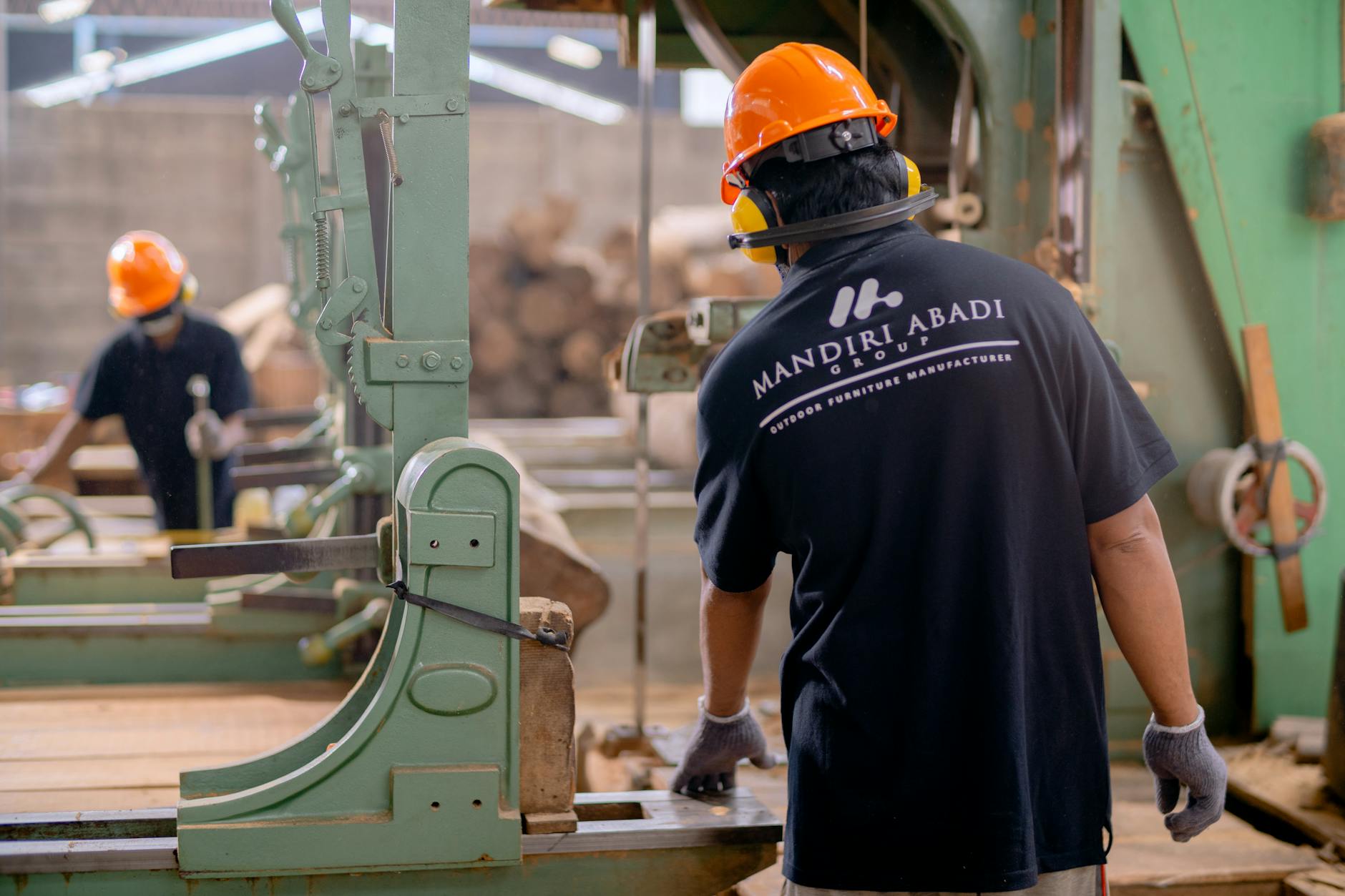
At the top of the market, Chinese furniture manufacturers produce work that meets or exceeds what European or North American contract furniture manufacturers deliver. Solid hardwood frame construction, precisely engineered joinery, consistent veneer and lacquer finishes, commercial-grade upholstery, documented quality management systems. These manufacturers supply major international hotel brands and design-led interior projects worldwide. The quality is not aspirational — it is documented by reference projects that buyers can verify.
How Chinese Furniture Manufacturers Structure Their Business
Understanding how Foshan manufacturers typically organise their commercial operations helps buyers navigate the sourcing process more effectively.
The Showroom and the Factory
Most significant Foshan manufacturers maintain both a showroom — often in one of the large commercial furniture markets — and a production facility that may be located 20 to 40 kilometres from the showroom. The showroom presents the manufacturer’s range and serves as the sales and specification hub. The factory is where actual capability assessment needs to happen. Buyers who evaluate manufacturers based only on the showroom miss the most relevant information: production technology, workforce capability, quality control infrastructure, and actual production capacity.
OEM vs. Own-Brand Manufacturers
Many Chinese furniture manufacturers operate primarily as OEM (Original Equipment Manufacturer) producers — they make furniture to buyer specifications without attaching a brand name. This is typical of the manufacturers serving the hotel and commercial contract sector. OEM manufacturers are generally more flexible on specification, more experienced with custom production, and more accustomed to working with the detailed technical drawings that commercial projects require.
Own-brand manufacturers produce and market furniture under their own label. Some own-brand manufacturers in China operate at the high-design end of the market and produce exceptional quality work. For commercial procurement, the OEM model is more relevant unless you are sourcing a specific branded product.
Direct Factory vs. Trading Company
Trading companies in Foshan aggregate orders across multiple factories and present as manufacturers. They can be useful for buyers with small or mixed orders, but they add a margin layer and reduce direct quality oversight. For any order above USD 150,000, working directly with the manufacturing facility is generally preferable for quality control, specification management, and price transparency.
Documentation and Compliance Requirements
Commercial furniture for hotel projects needs to meet specific documentation requirements, particularly for projects being funded by international development finance institutions or operating under international hotel brand licenses.
Key documentation that buyers should request from Chinese furniture manufacturers:
- ISO 9001 certificate: Confirms a documented quality management system. Verify the certificate is current and applies to the specific production facility you are visiting.
- BIFMA test reports: The Business and Institutional Furniture Manufacturers Association publishes structural and durability standards that serve as the de facto commercial furniture standard for international hotel brands. Request BIFMA G1 compliance documentation for seating and relevant BIFMA standards for casegoods.
- CARB compliance documentation: California Air Resources Board formaldehyde emission standards are broadly used as a reference for furniture supplied to international hotel brands, regardless of the project’s actual geographic location. Request CARB Phase 2 compliance documentation for any engineered wood components.
- Finish sample approval records: Well-organised manufacturers maintain records of approved finish samples for each project, providing traceability between what was agreed and what was produced.
Visiting Chinese Furniture Manufacturers: What to Look For
A factory visit remains the most reliable way to assess a Chinese furniture manufacturer. The following observations during a factory walk-through provide useful signals about production quality and management capability:
Material storage: Is wood stored properly — off the ground, covered, and acclimated? Improperly stored solid wood warps and introduces dimensional instability into finished furniture. Organised, controlled material storage indicates a manufacturer that understands material quality from the start of the production process.
Production sequencing: Is production organised in logical stages with clear material flow? Chaotic factory floors with mixed production stages and unclear work-in-progress management are associated with higher defect rates and less predictable lead times.
Finishing area: The finishing area is where most quality failures originate. Is it separated from dusty production areas? Is humidity and temperature controlled? Are workers using appropriate protective equipment consistently? The finishing area should feel like the most carefully managed part of the facility.
QC checkpoints: Are there visible quality control checkpoints at production stages — not just at the end of the line? Manufacturers with strong QC culture inspect materials at receiving, conduct in-process checks at key production stages, and perform final inspection before packing. End-of-line inspection alone misses defects that could have been corrected earlier at lower cost.
Packing and storage: Finished furniture should be carefully packed in protective materials — cardboard corners, foam padding, and wrapped panels — before being placed in storage or containers. Manufacturers who cut corners on packing are delivering damaged furniture at destination more often than they acknowledge.
Pricing and Payment Terms
Chinese furniture manufacturers typically quote on an FOB (Free on Board) basis, with prices in USD. Payment terms for first-time buyers are generally 30 to 50 percent deposit against order confirmation, with the balance due against copy of shipping documents (Bill of Lading). For established buyer relationships, some manufacturers extend 30-day net payment terms on the balance.
Letters of Credit are increasingly uncommon for furniture orders — they add cost and complexity that most buyers prefer to avoid. Performance guarantees through escrow arrangements are occasionally used for very large first-time orders where neither party has an established track record.

Working with Chinese Furniture Manufacturers through Chinify
Navigating the Chinese furniture manufacturing landscape — identifying the right manufacturers, conducting proper factory evaluations, managing sampling and production oversight — requires on-the-ground presence and established factory relationships that most international buyers do not have.
Chinify provides exactly this. We are a Foshan-based furniture sourcing agency that manages the full sourcing cycle for hotel developers, interior design firms, and commercial real estate teams. Our factory network is built from years of project work — manufacturers we know by their actual production capability, not their showroom presentation.
If you are planning a commercial furniture project and want to source from the right Chinese manufacturers for your specification and budget, contact Chinify to discuss your requirements.
Importing Hotel Furniture from China to Mexico: A Practical Guide

Importing hotel furniture from China to Mexico can work very well. It can also become messy quickly.
The difference usually comes down to how early the project team defines the details. A hotel furniture order is not just a list of beds, nightstands, desks, chairs, and sofas. It is a chain of decisions: dimensions, finishes, fabrics, foam, hardware, packaging, room counts, spare pieces, inspection standards, shipping timing, and site readiness.
If those decisions are clear, China sourcing can give a Mexico hotel project strong production range and custom options. If they are vague, the savings on paper can disappear into delays, remakes, and frustration.
This guide is written for hotel developers, owners, procurement teams, and interior designers who are considering China production for a Mexico-based hospitality project.
Start With the Room Schedule, Not the Catalog
Many teams begin by asking for catalogs. Catalogs are useful, but they are not the best starting point for a hotel project.
The better starting point is a room schedule.
For each room type, define:
- Quantity of rooms
- Furniture pieces per room
- Dimensions
- Finish direction
- Upholstery or leather requirements
- Hardware color
- Stone, glass, or metal details
- Any brand standard requirements
- Required spare percentage
Once this is clear, a sourcing partner can help decide which pieces should be custom, which can be adapted from existing models, and which factories are appropriate for the scope.
Without a room schedule, quotations tend to be soft. They may look fast, but they are often based on assumptions.
Be Specific About Finishes

Hotel furniture is judged up close. Guests may not know the name of the veneer or lacquer system, but they notice when two nightstands do not match, when the edge feels cheap, or when the finish chips too easily.
For China production, finish direction should be documented carefully. A reference photo helps, but it is not enough.
You may need:
- Veneer species or laminate reference
- Stain color
- Gloss level
- Edge detail
- Metal finish
- Stone or sintered stone reference
- Upholstery fabric code
- Fire or performance requirements, if applicable
For Mexico hotel projects, this is especially important when the design team, ownership group, and factory team are not in the same country. A clear finish standard prevents long debates later.
Use Samples Before Full Production
Skipping samples may save a few weeks at the beginning, but it often creates risk later.
Samples are not only for visual approval. They also reveal how the factory interprets the design. Is the seat height comfortable? Is the drawer hardware acceptable? Does the finish match the design direction? Is the packaging plan realistic? Does the factory understand the construction quality expected for hospitality use?
For custom hotel FF&E, a sample or at least a finish panel should be considered part of the process, not an optional extra.
The goal is not perfection on the first try. The goal is to discover problems before producing hundreds of pieces.
Understand What the Quote Includes
A hotel furniture quote from China should be read carefully. Two suppliers may quote the same item name, but not the same product.
Check whether the quote includes:
- Final dimensions
- Materials and construction
- Finish details
- Fabric or leather assumptions
- Hardware
- Packaging
- Local transport to port
- Sample costs
- Molds or development fees, if any
- Inspection requirements
- Payment terms
- Production lead time
If a quote is much lower than the others, ask why. It may be a better deal, or it may be missing something important.
Plan the Timeline Backward
For a Mexico hotel project, the furniture timeline should be planned backward from the opening date or installation date.
A simplified timeline may look like this:
- Scope and drawings
- Quotation
- Sample or finish approval
- Production deposit
- Production
- Inspection
- Packing and container loading
- Ocean freight
- Customs clearance
- Inland delivery
- Installation or placement
The mistake is assuming that production time is the whole timeline. It is not.
If production takes 60 days, the total project timeline may still be much longer once approvals, freight, and clearance are included.
Quality Control Should Happen Before Shipping
Once a container leaves China, fixing problems becomes much harder.
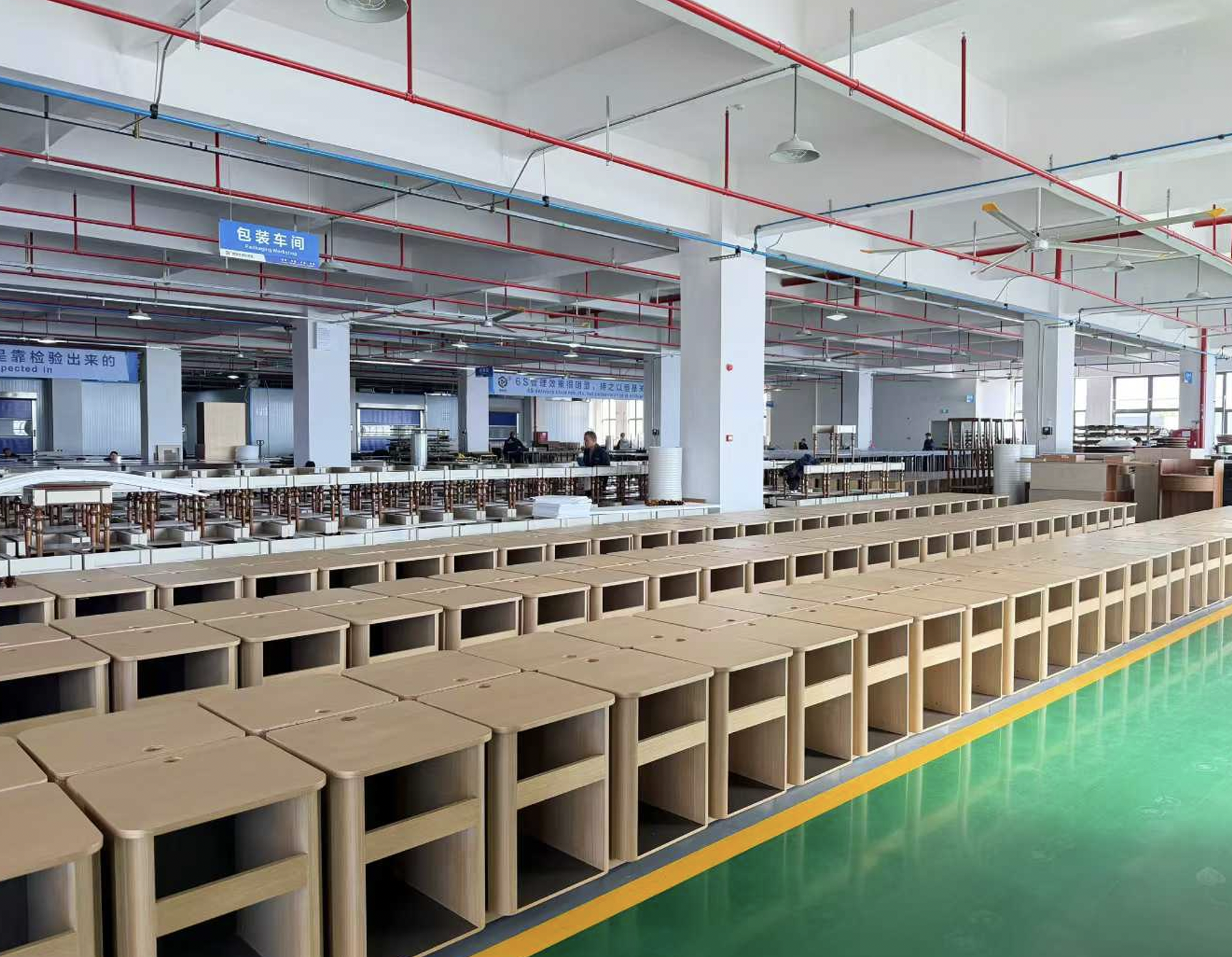
Pre-shipment inspection should check more than whether the furniture exists. It should review dimensions, finish, upholstery, hardware, construction, labeling, packaging, and quantity.
For hotel projects, packaging deserves special attention. Furniture may pass through factory handling, loading, port movement, ocean freight, destination handling, customs, inland transport, and site movement. Weak packaging can turn a good product into a damaged product.
Quality control is not there to create paperwork. It is there to protect the project before problems become international.
Work With a Local Customs Broker in Mexico

Chinify can help prepare export documents from China, but import clearance in Mexico should be handled by a qualified local customs broker or freight forwarder.
Before shipping, confirm:
- Importer of record
- HS codes
- Commercial invoice details
- Packing list
- Bill of lading
- Certificate of origin, if needed
- Any required product documentation
- Duties, taxes, and local fees
Your freight and customs partners should review documentation before the shipment leaves China, not after it arrives.
When China Sourcing Makes Sense
Importing hotel furniture from China to Mexico usually makes sense when the project has enough scale and planning time.
It is a good fit for:
- Hotel guestrooms
- Resort villas
- Public area furniture
- Restaurant and lounge furniture
- Custom casegoods
- Developer-led hospitality projects
- Projects that need coordinated finishes across many rooms
It may not be a good fit for urgent small orders, incomplete design scopes, or projects where decisions are likely to change repeatedly during production.
A Better First Email
If you want a useful response from a sourcing partner, do not only ask, "How much is hotel furniture from China?"
Send:
- Project location in Mexico
- Number of rooms or units
- Room types
- Furniture list
- Drawings or reference images
- Target materials and finishes
- Estimated timeline
- Whether samples are required
- Destination port or city, if known
With that information, the conversation becomes practical.
Final Thought
China sourcing is not magic. It is a production and coordination system.
For Mexico hotel projects, it can be a strong option when the project team respects the details: specifications, samples, quality control, shipping, and documentation. The earlier those details are handled, the more useful China production becomes.
If you are planning a hotel furniture or FF&E package for Mexico, Chinify can help review the scope and identify what should be sourced from China, what needs more definition, and what timeline is realistic.
Send your hotel furniture scope
FAQ
How long does it take to import hotel furniture from China to Mexico?
It depends on customization, sample approval, production volume, freight schedule, and customs clearance. A full custom hotel FF&E package should be planned months ahead, not weeks ahead.
Should we order samples before production?
For custom hotel furniture, yes. Samples or finish panels reduce the risk of producing a large quantity with the wrong finish, dimensions, or construction details.
Can one factory make all hotel furniture?
Sometimes, but not always. A strong sourcing plan may use different factories for different categories while keeping finishes and project coordination aligned.
Who handles customs in Mexico?
Import customs clearance should be handled by your local customs broker or freight forwarder. Chinify can support export documents and coordination from China.
Is China sourcing suitable for boutique hotels?
Yes, if the order volume, customization needs, and timeline make sense. For very small or urgent orders, local sourcing may be more practical.
Planning a project?
Send us the basic scope and we will tell you what is realistic, what needs more detail, and where China sourcing can help.